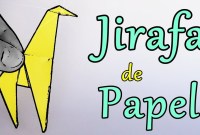
In the vibrant and diverse world of paper folding, Costa Rica stands as a hidden gem, a place where intricate designs unfold like blooming flowers. Papel Origami Costa Rica, the art of transforming flat sheets of paper into captivating three-dimensional forms, has taken root in this beautiful country, capturing the imaginations of enthusiasts who seek to bring paper to life.
Origami, a Japanese art form with a rich history dating back centuries, has found a new home in Costa Rica, where artists, hobbyists, and creative minds have embraced its endless possibilities. From traditional Japanese folds to contemporary and innovative designs, the art of papel origami in Costa Rica is flourishing, offering a unique and engaging way to express creativity and connect with the transformative power of paper.
As we delve deeper into the world of Papel Origami Costa Rica, we’ll uncover the stories of passionate artists, explore the techniques and styles that define this art form, and discover the events and workshops that bring the origami community together. Get ready to embark on a journey where paper transforms into masterpieces, where imagination soars, and where the beauty of Costa Rican origami captivates hearts and minds.
papel origami costa rica
Unfolding the Art of Paper Folding in Costa Rica
- Art of transforming flat paper
- Rooted in Japanese heritage
- Flourishing in Costa Rica
- Engaging and creative expression
- Traditional to contemporary designs
- Captivating three-dimensional forms
- Passionate artists and hobbyists
- Events and workshops for learning
- Showcasing Costa Rican creativity
- Connecting with paper’s transformative power
With its vibrant origami community, stunning designs, and captivating events, papel origami Costa Rica is a testament to the transformative power of paper and the creativity of the human spirit.
Art of transforming flat paper
The art of transforming flat paper into captivating three-dimensional forms is the essence of papel origami Costa Rica. This magical transformation begins with a simple sheet of paper, often square in shape, which is then folded, creased, and manipulated according to specific patterns and techniques.
- Folding and Creasing:
The art of origami relies on precise folding and creasing to create the desired shapes and forms. Folders use their hands, or sometimes specialized tools, to make sharp and accurate folds, which are held in place by creases.
- Geometric Precision:
Origami designs are often based on geometric principles, utilizing angles, symmetry, and repetition to create intricate and visually striking patterns. The precise folding and creasing techniques allow artists to achieve complex geometric forms with remarkable accuracy.
- Single Sheet Magic:
One of the remarkable aspects of origami is that it typically uses a single sheet of paper, without the need for glue, tape, or other adhesives. This constraint forces artists to be resourceful and creative in their folding techniques, resulting in self-supporting structures and dynamic forms.
- Limitless Possibilities:
The beauty of origami lies in its limitless possibilities. With a single sheet of paper, artists can create a vast array of objects, from simple geometric shapes to intricate animals, flowers, and even architectural structures. The only limit is the imagination of the folder.
The art of transforming flat paper in papel origami Costa Rica is a testament to the power of creativity and the endless potential that lies within a simple sheet of paper. Through skillful folding and creasing, artists bring paper to life, creating captivating three-dimensional forms that amaze and inspire.
Rooted in Japanese heritage
The art of papel origami Costa Rica is deeply rooted in the traditions and heritage of Japanese origami. Origami, meaning “folded paper” in Japanese, has been practiced in Japan for centuries, with its origins traced back to the 6th century.
- Cultural Significance:
Origami holds a special place in Japanese culture, symbolizing purity, elegance, and simplicity. It is often associated with traditional ceremonies, festivals, and celebrations, where intricate origami decorations and gifts are exchanged.
- Ancient Art:
The earliest known examples of origami date back to the Heian period (794-1185), where it was used for religious rituals and decorative purposes. Over time, origami evolved into a sophisticated art form, with the development of complex folding techniques and the creation of intricate designs.
- Paper and Tradition:
The choice of paper plays a significant role in Japanese origami. Traditional origami paper, known as washi, is handmade from natural fibers such as mulberry, hemp, and rice, giving it a unique texture and strength that is ideal for folding.
- Preservation and Transmission:
Origami has been passed down through generations in Japan, with families and communities playing a vital role in preserving and transmitting the art form. Origami masters and enthusiasts often teach workshops, conduct demonstrations, and publish books to share their knowledge and techniques with others.
The deep-rooted connection between papel origami Costa Rica and Japanese heritage is evident in the techniques, designs, and cultural significance that the art form carries. Origami serves as a bridge between the traditions of Japan and the creativity of Costa Rican artists, fostering a shared appreciation for the beauty and elegance of folded paper.
Flourishing in Costa Rica
In recent years, papel origami has experienced a remarkable flourishing in Costa Rica, capturing the imagination of artists, hobbyists, and enthusiasts alike. This growth is attributed to several factors that have contributed to the art form’s popularity and success.
- Artistic Expression:
Origami has emerged as a vibrant medium for artistic expression in Costa Rica. Artists are drawn to the challenge of creating intricate and visually striking designs, using paper as their canvas. Origami artworks are often showcased in galleries and exhibitions, gaining recognition and appreciation from art lovers and collectors.
- Cultural Exchange:
Costa Rica’s papel origami scene has benefited from cultural exchange and collaboration with origami artists from around the world. International origami conventions, workshops, and exhibitions have brought together Costa Rican folders with their global counterparts, facilitating the sharing of techniques, ideas, and inspirations.
- Educational Initiatives:
Origami is increasingly being recognized for its educational value in Costa Rica. Schools and educational institutions are incorporating origami into their curriculum, using it to teach geometry, problem-solving, and spatial reasoning. Origami workshops and classes are also offered to students of all ages, promoting creativity and dexterity.
- Community and Events:
The papel origami community in Costa Rica is a close-knit and supportive network of artists and enthusiasts. Regular gatherings, workshops, and events provide opportunities for folders to connect, learn from each other, and showcase their作品. These events foster a sense of camaraderie and共同体,从而使艺术形式保持活力和活力。
The flourishing of papel origami in Costa Rica is a testament to the art form’s universal appeal and its ability to captivate and inspire people from all walks of life. With its strong artistic, educational, and community foundations, origami continues to thrive in Costa Rica, enriching the country’s cultural landscape and contributing to its creative spirit.
Engaging and creative expression
Papel origami Costa Rica provides a unique and engaging platform for creative expression. The art form’s inherent simplicity and accessibility make it an inviting medium for people of all ages and backgrounds to explore their creativity and artistic potential.
- Limitless Possibilities:
Origami offers limitless possibilities for creative expression. With a single sheet of paper, folders can create an endless variety of forms, from simple geometric shapes to intricate and lifelike representations of animals, flowers, and objects. The only limit is the imagination of the folder.
- Problem-Solving and Logic:
Origami also engages the mind, challenging folders to think creatively and solve problems. The process of folding and creasing paper to achieve a desired form requires logical thinking, spatial reasoning, and problem-solving skills. Origami can be a rewarding mental exercise that sharpens the mind and improves cognitive abilities.
- Therapeutic and Relaxing:
In addition to its creative and intellectual benefits, origami can also be a therapeutic and relaxing activity. The repetitive folding and creasing motions can have a calming effect, reducing stress and promoting mindfulness. Origami can provide a much-needed escape from the demands of daily life, allowing individuals to focus on the present moment and engage in a creative and meditative practice.
- Connecting with Others:
Origami is also a social and collaborative art form. Folders often gather in groups or attend workshops to share their techniques, ideas, and creations. These gatherings provide opportunities for learning,交流,and building a sense of community among origami enthusiasts. Origami can be a powerful tool for connecting people from different backgrounds and cultures, fostering friendships and mutual understanding.
The engaging and creative nature of papel origami Costa Rica makes it an appealing and accessible art form for people of all ages and abilities. Whether one is seeking artistic expression, mental stimulation, relaxation, or social connection, origami offers a rewarding and fulfilling experience that can enrich the lives of those who embrace it.
Traditional to contemporary designs
The world of papel origami Costa Rica encompasses a wide spectrum of designs, ranging from traditional Japanese folds to contemporary and innovative creations. This diversity reflects the art form’s adaptability and its ability to evolve and reflect the changing tastes and sensibilities of origami artists.
- Preserving Tradition:
Many origami artists in Costa Rica are dedicated to preserving traditional Japanese origami designs. They study and practice classical folding patterns, paying homage to the cultural heritage of the art form. Traditional designs often feature geometric shapes, symmetrical patterns, and motifs inspired by nature, such as flowers, animals, and birds.
- Contemporary Innovations:
Alongside traditional designs, contemporary origami artists in Costa Rica are pushing the boundaries of the art form with innovative and unconventional creations. They experiment with new folding techniques, materials, and forms, resulting in unique and captivating origami artworks. Contemporary designs often incorporate abstract shapes, complex patterns, and unexpected combinations of colors and textures.
- Cultural Fusion:
Some origami artists in Costa Rica draw inspiration from both traditional and contemporary styles, creating designs that blend elements of both. They incorporate traditional Japanese folding patterns into contemporary forms, or they use traditional materials in innovative ways. This cultural fusion results in a unique and vibrant style of origami that reflects the diverse cultural heritage of Costa Rica.
- Personal Expression:
Regardless of their chosen style, origami artists in Costa Rica use their work as a means of personal expression. They infuse their designs with their own unique perspectives, emotions, and experiences. Origami becomes a channel for self-expression, allowing artists to communicate their thoughts and feelings through the medium of folded paper.
The diversity of traditional and contemporary designs in papel origami Costa Rica showcases the art form’s versatility and its ability to appeal to a wide range of tastes and preferences. From intricate traditional folds to groundbreaking contemporary creations, origami artists in Costa Rica are pushing the boundaries of the art form and creating captivating works that continue to amaze and inspire.
Captivating three-dimensional forms
One of the most striking features of papel origami Costa Rica is the captivating three-dimensional forms that artists create from flat sheets of paper. Through skillful folding and creasing, origami artists transform two-dimensional paper into intricate and lifelike sculptures that seem to defy the laws of geometry.
The ability to create three-dimensional forms from a single sheet of paper is what sets origami apart from other art forms. Origami artists use a variety of folding techniques to achieve different shapes and textures. Some common folds include the square fold, the triangle fold, and the petal fold. By combining these basic folds in different ways, artists can create complex and visually stunning three-dimensional structures.
Origami artists in Costa Rica draw inspiration from a wide range of sources to create their three-dimensional forms. Nature is a common theme, with artists folding intricate representations of animals, flowers, and landscapes. Geometric shapes, such as polyhedra and spheres, are also popular subjects for origami sculptures. Additionally, some artists create abstract forms that explore the limits of what is possible with folded paper.
The three-dimensional forms created by origami artists in Costa Rica are not only visually appealing but also structurally sound. Origami sculptures can be surprisingly sturdy and durable, despite being made from a single sheet of paper. This is due to the inherent strength of origami folds, which distribute stress evenly throughout the structure. As a result, origami sculptures can be displayed in a variety of settings, from art galleries to public spaces.
The captivating three-dimensional forms of papel origami Costa Rica are a testament to the skill, creativity, and ingenuity of origami artists. These intricate sculptures showcase the limitless possibilities of folded paper and continue to amaze and inspire audiences around the world.
Passionate artists and hobbyists
At the heart of papel origami Costa Rica is a community of passionate artists and hobbyists who are dedicated to the art of paper folding. These individuals come from diverse backgrounds and walks of life, united by their shared love for origami and their desire to create captivating three-dimensional forms from flat sheets of paper.
- Artistic Expression:
For many origami artists in Costa Rica, the art form is a means of artistic expression. They use origami to communicate their thoughts, emotions, and experiences, creating intricate and visually stunning works of art that captivate and inspire audiences. Origami provides them with a unique and challenging medium to explore their creativity and share their unique perspectives with the world.
- Intellectual Challenge:
Origami also appeals to hobbyists who enjoy the intellectual challenge of folding paper into complex three-dimensional forms. The process of origami requires careful planning, precision, and problem-solving skills. Origami enthusiasts find great satisfaction in overcoming the challenges posed by complex folding patterns and creating intricate origami sculptures.
- Cultural Preservation:
Some origami artists and hobbyists in Costa Rica are dedicated to preserving and promoting the cultural heritage of origami. They study and practice traditional Japanese folding patterns, ensuring that these time-honored techniques are passed down to future generations. They also participate in cultural events and workshops to share their knowledge and appreciation of origami with others.
- Community and Connection:
The origami community in Costa Rica is a close-knit and supportive network of artists and enthusiasts. They gather at regular meetings, workshops, and events to share their techniques, ideas, and creations. These gatherings provide opportunities for learning, collaboration, and building friendships. The origami community fosters a sense of belonging and connection among its members, creating a vibrant and welcoming environment for anyone interested in the art of paper folding.
The passion and dedication of origami artists and hobbyists in Costa Rica are the driving force behind the flourishing of papel origami in the country. Their tireless efforts to create captivating three-dimensional forms, preserve cultural heritage, and foster a supportive community have made origami an integral part of Costa Rica’s artistic and cultural landscape.
Events and workshops for learning
The papel origami community in Costa Rica is committed to promoting and teaching the art of paper folding to people of all ages and backgrounds. A variety of events and workshops are organized throughout the country, providing opportunities for learning, sharing, and creative exploration.
- Origami Conventions and Exhibitions:
Origami conventions and exhibitions are major events that bring together origami enthusiasts from all over Costa Rica and beyond. These events typically feature workshops, lectures, demonstrations, and exhibitions of origami artworks. Attendees can learn new folding techniques, admire the works of renowned origami artists, and connect with other origami enthusiasts.
- Origami Workshops and Classes:
Origami workshops and classes are offered at various locations throughout Costa Rica, including community centers, art studios, and schools. These workshops are led by experienced origami instructors who teach participants the basics of origami, as well as more advanced folding techniques. Workshops may focus on specific themes, such as traditional Japanese origami, geometric origami, or modular origami.
- Origami Clubs and Groups:
Origami clubs and groups provide a space for origami enthusiasts to gather, share their knowledge, and work on origami projects together. These groups often meet regularly at libraries, community centers, or online platforms. Members of origami clubs participate in folding challenges, collaborate on large-scale origami projects, and organize events to promote the art of origami in their communities.
- Origami in Schools and Educational Institutions:
Origami is increasingly being recognized for its educational value in Costa Rica. Schools and educational institutions are incorporating origami into their curriculum, using it to teach geometry, problem-solving, and spatial reasoning. Origami workshops and activities are also offered to students as a fun and engaging way to learn about math, science, and art.
The variety of events and workshops available in Costa Rica provides ample opportunities for people of all ages and skill levels to learn about and practice the art of papel origami. These events foster a sense of community, promote cultural exchange, and help to ensure that the art of origami continues to flourish in Costa Rica for generations to come.
Show\u3010 Costa Rican creativity
Papel origami Costa Rican is a unique and dynamic expression of Costa Rican creativity. Origami artists in Costa Rican draw inspiration from their rich cultural heritage, diverse natural environment, and contemporary artistic trends to create three-dimensional forms that are both visually stunning and thought-provoking.
One of the ways in which Costa Rican origami artists demonstrate their creativity is through their use of traditional Costa Rican motifs and symbols. They fold paper into replicas of Costa Rican animals, plants, and cultural icons. For example, origami artists might create a toucan, a seaturtle, or a traditional Costa Rican oxcart using the art of paperfolding.
In addition to traditional motifs, Costa Rican origami artists also explore contemporary themes and ideas in their work. They create abstract and geometric forms that challenge traditional notions of origami. They also use origami as a way to address social and environmental issues, creating works that raise awareness and promote dialogue.
The creativity of Costa Rican origami artists is also evident in the techniques and materials they use. They experiment with different types of paper, including traditional Japanese papers like washi, as well as more unconventional materials such as leaves, fabric, and even metal. They also develop new and innovative ways of manipulating paper to achieve unique and striking results.
Furthermore, Costa Rican origami artists actively participate in international origami events and exhibitions, showcasing their work to a global audience. They have won numerous awards and accolades for their creativity and skill, bringing recognition to Costa Rican origami on the world stage.
Through their diverse and innovative creations, Costa Rican origami artists demonstrate the vibrancy and creativity of Costa Rican culture. They use the art of paperfolding to express their unique identity, share their stories, and connect with others around the world.
Connecting with paper’s transformative power
Papel origami Costa Rica is not just an art form; it is also a way for artists and enthusiasts to connect with the transformative power of paper. Through the simple act of folding and creasing, origami artists are able to transform a flat sheet of paper into a captivating three-dimensional form.
- Unleashing Creativity:
Origami provides a unique and accessible medium for creative expression. With just a sheet of paper, artists can create an endless variety of forms, from simple geometric shapes to intricate and lifelike representations of objects, animals, and landscapes. Origami allows artists to explore their creativity and imagination in a tangible and rewarding way.
- Mindful Practice:
Origami can also be a mindful and meditative practice. The repetitive folding and creasing motions can help to calm the mind and focus the attention on the present moment. Origami artists often find that the process of folding paper is a relaxing and enjoyable way to de-stress and connect with their inner selves.
- Appreciating Simplicity:
Origami reminds us of the beauty and potential that lies within simple things. A single sheet of paper, when folded and manipulated with care and precision, can be transformed into something truly extraordinary. Origami teaches us to appreciate the simple things in life and to find joy in the small moments.
- Connecting with Others:
Origami is also a social and collaborative art form. Origami artists often gather in groups or attend workshops to share their techniques, ideas, and creations. These gatherings provide opportunities for learning,交流,and building a sense of community among origami enthusiasts. Origami can be a powerful tool for connecting people from different backgrounds and cultures, fostering friendship and mutual understanding.
Through its transformative power, origami allows Costa Rican artists and enthusiasts to connect with their creativity, their inner selves, the beauty of simplicity, and the wider community. Origami is more than just a hobby or an art form; it is a way of life that enriches the lives of those who embrace it.
FAQ
Cool Origami: Frequently Asked Questions
Have questions about cool origami? We’ve got answers! Check out these frequently asked questions to learn more about this fascinating art form.
Question 1: What is cool origami?
Answer: Cool origami is a term used to describe origami that is visually striking, innovative, or technically challenging. Cool origami designs often push the boundaries of what is possible with paper folding, resulting in unique and captivating three-dimensional forms.
Question 2: What are some examples of cool origami?
Answer: Cool origami designs can include complex geometric shapes, intricate animals, realistic flowers, and even functional objects like boxes and vases. Some popular cool origami designs include the flapping bird, the rose cube, and the modular origami ball.
Question 3: How can I learn cool origami?
Answer: There are many resources available to help you learn cool origami. You can find tutorials and instructions online, in books, and even in origami classes. Start with simpler designs and gradually work your way up to more complex ones as you gain skill and confidence.
Question 4: What kind of paper is best for cool origami?
Answer: The type of paper you use for cool origami depends on the design you are folding. For most designs, a thin and crisp paper, such as origami paper or tracing paper, works well. For more complex or wet-folding techniques, you may need to use a thicker or more specialized paper.
Question 5: Can I use cool origami to make gifts?
Answer: Absolutely! Cool origami makes for unique and thoughtful gifts. You can fold origami gift boxes, origami flowers, or even origami sculptures as presents for friends and family. Your handmade origami creations are sure to be appreciated.
Question 6: How can I display my cool origami creations?
Answer: There are many ways to display your cool origami creations. You can hang them from strings or wires, place them on shelves or tables, or even create origami mobiles. You can also frame your origami artworks and display them on walls like traditional paintings.
Closing Paragraph:
Cool origami is a fascinating and rewarding art form that allows you to create stunning three-dimensional forms from a single sheet of paper. With a little practice and patience, you can master cool origami techniques and create your own unique and captivating designs.
Now that you have a better understanding of cool origami, let’s explore some tips and tricks to help you create your own amazing origami creations.
Tips
Ready to take your cool origami skills to the next level?
Here are four practical tips to help you create amazing origami creations that are sure to impress:
Tip 1: Choose the Right Paper
The type of paper you use can greatly affect the outcome of your origami project. For cool origami designs, it’s best to use thin and crisp paper that holds creases well. Origami paper, tracing paper, and vellum are all good choices. Avoid using thick or textured paper, as it can be difficult to fold and may not hold creases properly.
Tip 2: Master Basic Folds
Before attempting complex cool origami designs, it’s important to master the basic folds. These fundamental folds are the building blocks of origami and are used in many different designs. Practice folding the basic folds until you can do them accurately and consistently. There are many resources available online and in books to help you learn the basic folds.
Tip 3: Be Patient and Persistent
Origami can be challenging, especially when attempting complex designs. It’s important to be patient and persistent when learning new folds and techniques. Don’t get discouraged if you make mistakes or if you don’t get it right the first time. Keep practicing and you will eventually master the art of cool origami.
Tip 4: Experiment and Innovate
Once you have mastered the basics, don’t be afraid to experiment and innovate with your origami creations. Try combining different folds and techniques to create your own unique designs. You can also use different types of paper or embellishments to add your own personal touch. The possibilities are endless, so let your creativity shine through.
Closing Paragraph:
With a little practice and patience, you can create amazing cool origami designs that will impress your friends and family. Remember to choose the right paper, master the basic folds, be patient and persistent, and experiment and innovate. Most importantly, have fun and enjoy the process of creating something truly unique and special.
As you continue your origami journey, you may find yourself drawn to specific styles or techniques. The world of origami is vast and diverse, offering endless opportunities for exploration and discovery.
Conclusion
Cool origami is a fascinating and rewarding art form that allows you to create stunning three-dimensional forms from a single sheet of paper.
Whether you are a beginner or an experienced folder, there is something for everyone in the world of cool origami. With a little practice and patience, you can master the basic folds and techniques, and eventually create your own unique and captivating designs.
The possibilities with cool origami are endless.
You can fold intricate geometric shapes, realistic animals, delicate flowers, and even functional objects like boxes and vases. You can also experiment with different types of paper, embellishments, and folding techniques to create truly unique and personal origami creations.
So why not give cool origami a try?
With a few simple folds, you can transform a flat sheet of paper into something truly extraordinary. The journey of cool origami is one of discovery, creativity, and endless possibilities. Embrace the challenge and let your imagination soar as you explore the wonderful world of cool origami.
Remember, the only limit is your imagination.