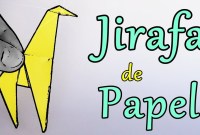
Welcome to the magical world of origami, where paper folds into intricate and captivating shapes. Today, we embark on a creative journey to create a stunning origami reindeer, a symbol of joy and festivities. As we guide you through each step, you’ll discover the simplicity and beauty hidden within a single sheet of paper. Let’s begin!
Origami, the ancient art of paper folding, has captivated hearts for centuries. With its rich history and boundless creativity, it offers a unique way to express oneself and create captivating works of art. In this guide, we’ll explore the fascinating world of origami reindeer, transforming a simple square sheet of paper into an elegant masterpiece.
Before we embark on our origami adventure, let’s gather the necessary materials: a square piece of paper, preferably a thin and pliable type such as origami paper. It’s time to unfold your creativity and follow the step-by-step instructions provided. Let’s fold, crease, and shape our way to a remarkable origami reindeer that will add a touch of enchantment to your holiday decorations. Are you ready? Let’s dive in!
origami reindeer instructions
Let’s unveil the key steps to crafting a captivating origami reindeer:
- Choose quality paper: Thin and pliable origami paper works best.
- Master basic folds: Learn fundamental origami folds like the square fold and valley fold.
- Follow step-by-step guide: Break down the reindeer into simpler folds.
- Crease folds sharply: Crisp creases define the reindeer’s shape.
- Shape with care: Gently shape the reindeer’s features, like the antlers.
- Add personal touches: Customize your reindeer with markers or accessories.
- Display proudly: Showcase your origami reindeer as a festive decoration.
With patience, attention to detail, and a dash of creativity, you’ll soon have a beautiful origami reindeer to cherish and share. Happy folding!
Choose quality paper: Thin and pliable origami paper works best.
Selecting the right paper is crucial for a successful origami reindeer. Thin and pliable origami paper is ideal, as it allows for intricate folds and smooth shaping. Thicker paper may be challenging to fold and may not hold creases well, resulting in a less defined reindeer.
Origami paper is specially designed for folding, and it comes in a variety of colors and patterns. You can choose a color that matches your holiday décor or a pattern that adds a unique touch to your reindeer. If you’re new to origami, it’s a good idea to start with a basic color like white or cream, as it’s easier to see the creases and folds.
Once you’ve chosen your paper, make sure it’s flat and free of wrinkles. If the paper is wrinkled, it will be more difficult to fold and may tear. You can iron the paper on a low heat setting to remove any wrinkles.
With the right paper in hand, you’re ready to embark on your origami reindeer adventure. Remember, patience and attention to detail are key to creating a beautiful and festive reindeer.
Now that you have chosen the perfect paper, let’s dive into the exciting world of origami reindeer folding. Follow the step-by-step instructions carefully, taking your time to make each fold precisely. With each fold, you’ll see your reindeer taking shape, bringing you closer to a stunning holiday decoration.
Master basic folds: Learn fundamental origami folds like the square fold and valley fold.
Before embarking on the reindeer’s intricate folds, let’s familiarize ourselves with two fundamental origami folds: the square fold and the valley fold.
- Square fold:
This basic fold creates a square from a rectangular sheet of paper. To make a square fold, follow these steps:
- Place the paper in front of you with the colored side facing up.
- Fold the top right corner down to the bottom left corner, forming a diagonal crease.
- Unfold the paper.
- Fold the bottom left corner up to the top right corner, forming another diagonal crease.
- Unfold the paper.
- Fold the top edge down to the bottom edge, aligning the two diagonal creases.
- Unfold the paper.
- Fold the right edge over to the left edge, aligning the two diagonal creases.
- Valley fold:
This fold creates a valley or crease in the paper. To make a valley fold, follow these steps:
- Place the paper in front of you with the colored side facing up.
- Fold the paper in half vertically, aligning the left and right edges.
- Unfold the paper.
- Fold the paper in half horizontally, aligning the top and bottom edges.
- Unfold the paper.
- Fold the paper diagonally from top left to bottom right.
- Unfold the paper.
- Fold the paper diagonally from top right to bottom left.
- Other basic folds:
In addition to the square fold and valley fold, there are a few other basic origami folds that are useful for making the reindeer. These include the mountain fold, the inside reverse fold, and the outside reverse fold. You can find instructions for these folds online or in origami books.
Now that you have mastered these basic folds, you’re ready to tackle the more complex folds required to create the reindeer. With patience and practice, you’ll soon be able to fold a beautiful origami reindeer that will impress your friends and family.
Follow step-by-step guide: Break down the reindeer into simpler folds.
Creating an origami reindeer may seem daunting at first, but it’s actually a series of simpler folds that come together to form the final shape. Breaking down the reindeer into smaller, more manageable folds makes the process easier and more enjoyable.
- Start with the basic shape:
Begin by folding the paper into a square base. This square base will serve as the foundation for the reindeer’s body and head.
- Fold the body:
From the square base, fold the paper in half diagonally to create a triangle. Then, unfold the triangle and fold it in half vertically to create a rectangle. The rectangle represents the reindeer’s body.
- Fold the head:
From the rectangle, fold the top right corner down to the bottom left corner to create a diagonal crease. Then, unfold the crease and fold the top left corner down to the bottom right corner to create another diagonal crease. The intersection of these two creases forms the reindeer’s head.
- Fold the antlers:
To make the reindeer’s antlers, fold the top right and left corners of the head down to the center crease. Then, fold the tips of the antlers up to create a slight curve.
These are just a few of the basic folds required to make the origami reindeer. As you follow the step-by-step guide, you’ll learn how to combine these folds to create the reindeer’s legs, tail, and other details. Remember to take your time and focus on each fold. With patience and practice, you’ll soon have a beautiful origami reindeer to display.
Crease folds sharply: Crisp creases define the reindeer’s shape.
In origami, creases play a vital role in shaping and defining the final model. Crisp and sharp creases are essential for creating a reindeer with clean lines and a well-defined form.
To achieve sharp creases, use a bone folder or your fingernail to firmly crease along the fold lines. A bone folder is a tool specifically designed for origami and other paper crafts, and it helps to create precise and sharp creases. If you don’t have a bone folder, you can use the back of your fingernail, but be careful not to tear the paper.
When creasing, apply pressure evenly and smoothly along the entire length of the fold line. Avoid creasing too quickly or haphazardly, as this can result in uneven or sloppy folds. Take your time and focus on each crease, ensuring that it is sharp and well-defined.
Crisp creases not only improve the aesthetics of the reindeer but also make it easier to fold the paper into the desired shapes. Sharp creases hold the folds in place, preventing them from unfolding or becoming loose. This is especially important for complex origami models like the reindeer, where multiple folds and layers come together to create the final form.
By taking the time to crease folds sharply, you’ll create a reindeer with a polished and professional look. The crisp creases will accentuate the reindeer’s features and make it a stunning holiday decoration or gift.
Shape with care: Gently shape the reindeer’s features, like the antlers.
Once you have folded the reindeer’s basic shape, it’s time to gently shape its features to bring it to life. This includes shaping the antlers, head, body, and legs.
- Shape the antlers:
The reindeer’s antlers are one of its most distinctive features. To shape them, gently curve the tips of the antlers upward. You can also add some slight bends or twists to the antlers to give them a more natural look.
- Shape the head:
The reindeer’s head should be slightly rounded. To shape it, gently press down on the top of the head and round out the edges. You can also shape the reindeer’s muzzle by gently pushing it forward.
- Shape the body:
The reindeer’s body should be slightly curved, with a thicker front and a thinner back. To shape it, gently push the front of the body forward and the back of the body backward. You can also add some slight curves to the sides of the body to give it a more natural look.
- Shape the legs:
The reindeer’s legs should be long and slender. To shape them, gently bend the legs at the knees and ankles. You can also add some slight curves to the legs to give them a more dynamic look.
As you shape the reindeer’s features, take your time and work carefully. Be gentle with the paper, and avoid creasing or tearing it. With a little patience and care, you’ll soon have a beautiful origami reindeer with delicate and lifelike features.
Add personal touches: Customize your reindeer with markers or accessories.
Once you have completed your origami reindeer, you can add personal touches to make it truly unique. Here are a few ideas to inspire you:
- Use markers or colored pencils:
Add some color and personality to your reindeer by using markers or colored pencils. You can draw on eyes, a nose, and a mouth, or you can add festive designs like snowflakes or holly leaves.
- Add accessories:
Make your reindeer even more special by adding accessories. You can glue on googly eyes, pipe cleaners for antlers, or a tiny bell around its neck. If you’re feeling creative, you can even make a miniature sleigh for your reindeer to pull.
- Write a message:
If you’re giving your reindeer as a gift, you can write a personal message on it. Use a fine-tipped marker or pen to write your message on the reindeer’s body or on a small piece of paper that you can attach to the reindeer.
- Display your reindeer:
Once you’re finished customizing your reindeer, display it proudly in your home or office. You can hang it from a Christmas tree, place it on a shelf, or use it as a centerpiece on your holiday table. Your reindeer will be a beautiful and festive addition to your holiday décor.
With a little creativity and imagination, you can transform your origami reindeer into a truly unique and personalized work of art. So have fun and let your creativity shine through!
Display proudly: Showcase your origami reindeer as a festive decoration.
Once you have completed your origami reindeer, it’s time to display it proudly as a festive decoration. Here are a few ideas for how you can showcase your reindeer:
Hang it from a Christmas tree: This is a classic way to display an origami reindeer. Simply tie a string or ribbon around the reindeer’s neck and hang it from a branch of your Christmas tree. Your reindeer will add a touch of whimsy and charm to your holiday décor.
Place it on a shelf or mantel: If you don’t have a Christmas tree, you can still display your reindeer on a shelf or mantel. Find a spot where the reindeer will be visible and where it can be admired by all. You can also group your reindeer with other holiday decorations, such as candles, ornaments, or figurines.
Use it as a centerpiece on your holiday table: An origami reindeer can make a beautiful centerpiece for your holiday table. Place the reindeer in the center of your table and surround it with candles, flowers, or other festive decorations. Your reindeer will be a conversation starter and will add a touch of elegance to your holiday meal.
Give it as a gift: An origami reindeer is a unique and thoughtful gift for friends and family members. Wrap the reindeer in tissue paper and place it in a gift bag or box. You can also attach a personal message to the reindeer, such as a holiday greeting or a note of appreciation.
No matter how you choose to display it, your origami reindeer is sure to bring joy and festive cheer to your home or office. So take pride in your creation and share it with the world!
FAQ
Have you always been fascinated by the art of paper folding but don’t know where to start? Welcome to the world of cool origamis! Discover the answers to frequently asked questions and immerse yourself in this captivating art form.
Question 1: What exactly is cool origamis?
Cool origamis is a captivating art form that transforms a simple piece of paper into intricate and fascinating creations. It is an offshoot of traditional origamis that emphasizes innovative designs, often incorporating vibrant colors and unique folding techniques.
Question 2: How do I get started with cool origamis?
Embarking on your cool origamis journey is simple! All you need is a square sheet of paper, preferably thin and pliable. Begin with basic folds like the square fold and valley fold. As you gain confidence, explore more complex folds like the squash fold and the rabbit ear fold.
Question 3: What kind of paper is best for cool origamis?
The choice of paper is essential in creating stunning origamis models. Opt for thin and pliable paper that is easy to fold, such as origamis or kami paper. These papers are specifically designed for folding and come in various colors and textures.
Question 4: Where can I find cool origamis inspiration?
Inspiration is all around you! Look for origamis books, tutorials, and online resources that showcase different models and techniques. Social media platforms like Pinterest and Instagram are also great sources of inspiration.
Question 5: What are some popular cool origamis models?
The origamis world is brimming with captivating models to explore. Some popular ones include the flapping bird, transforming cube, and modular origamis creations like the kusudama. Each model offers unique challenges and rewards.
Question 6: Can I create my original cool origamis models?
Absolutely! Creating original models is the ultimate test of your origamis skills. Experiment with different folds, combine techniques, and let your creativity flow. Who knows, you might just stumble upon the next origamis masterpiece.
As you embark on your cool origamis journey, remember to have fun and let your curiosity guide you. With patience and practice, you’ll soon be creating captivating pieces that will amaze your friends and family.
Now that you have a better understanding of cool origamis, let’s explore some helpful tips to elevate your origamis skills even further.
Tips
Ready to take your cool origamis skills to the next level? Discover these practical tips that will help you create stunning and intricate models with ease.
Tip 1: Master the Basics:
Before diving into complex folds, ensure you have a solid foundation in the basic folds of origamis. Practice the square fold, valley fold, mountain fold, and other fundamental folds until they become second nature. These basic folds are the building blocks of more intricate models.
Tip 2: Use Quality Paper:
The choice of paper can significantly impact the outcome of your origamis creations. Opt for thin and pliable paper specifically designed for origamis, such as origamis or kami paper. These papers are easier to fold and hold creases better, resulting in clean and precise models.
Tip 3: Work in a Clean and Tidy Space:
A clean and organized workspace is essential for successful origamis folding. Ensure your work surface is flat and free of clutter. This will allow you to focus on your folds and avoid accidental creases or tears in the paper.
Tip 4: Be Patient and Persistent:
Origamis can be challenging, especially when attempting complex models. Don’t get discouraged if you don’t get it right the first time. Be patient and persistent. With practice, you’ll develop the skills and techniques necessary to create beautiful and intricate origamis models.
As you continue your cool origamis journey, remember that practice is key. The more you fold, the better you’ll become. Embrace the learning process and enjoy the satisfaction of creating unique and captivating origamis pieces.
Now that you have these helpful tips under your belt, it’s time to dive deeper into the world of cool origamis. Discover the fascinating history and cultural significance of origamis, and explore the various types and styles that exist.
Conclusion
As we reach the end of our origamis journey, let’s reflect on the captivating world of cool origamis. We explored the basics of this art form, delved into the fascinating history and cultural significance of origamis, and discovered various types and styles that exist.
Cool origamis is more than just a hobby; it’s a creative outlet that allows us to express ourselves and connect with others. It’s a reminder that even from a simple square sheet of paper, we can create something beautiful and intricate. The possibilities are endless, limited only by our imagination and willingness to explore.
So, embrace your creativity, continue to learn and practice, and share your love for origamis with the world. Whether you’re creating traditional models, experimenting with cool origamis techniques, or even designing your original creations, the joy of origamis is in the journey itself.
May your origamis creations bring you endless joy and satisfaction. Remember, the beauty of origamis lies not only in the finished model but also in the process of folding, learning, and creating. Keep folding, keep exploring, and keep the art of origamis alive.