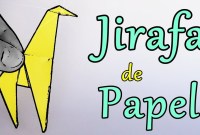
Welcome to the fascinating world of origami, where paper transforms into intricate and captivating forms. Today, we embark on a journey to create an elegant origami ostrich, step by step. This graceful bird will add a touch of whimsy and charm to your home or office, and it’s a perfect project for origami enthusiasts of all skill levels.
As we embark on this creative adventure, let’s gather the necessary supplies: a square sheet of paper (ideally origami paper, but regular paper works too), an optional pair of scissors, and a folding surface that provides a smooth and stable base. With these simple materials, we’re all set to unfold the art of origami and bring our feathered friend to life.
As we transition from the introduction to the main content, let’s briefly review the art of origami. Origami, the ancient Japanese art of paper folding, has captivated people worldwide with its ability to transform flat sheets of paper into stunning three-dimensional forms. Often associated with intricate patterns and complex folds, origami offers a meditative and creative outlet that fosters focus, patience, and problem-solving skills.
Origami Ostrich: Step-by-Step Guide
Unleash your creativity and transform a humble square of paper into a majestic origami ostrich. Follow these nine essential steps to bring this elegant bird to life.
- Square Base:
- Fold and Unfold:
- Bird Base:
- Form the Head:
- Shape the Neck:
- Create the Body:
- Add Wings and Tail:
- Refine Details:
- Final Touches:
With patience, precision, and a dash of imagination, you’ll witness the metamorphosis of a flat sheet of paper into a captivating origami ostrich. Display your creation with pride, knowing that you’ve mastered the art of folding and breathed life into an exquisite paper sculpture.
Square Base:
The foundation of our origami ostrich begins with the square base, a fundamental fold that serves as the starting point for numerous origami creations. Picture a diamond shape, with its four corners pointing outward like the compass directions. This is the essence of the square base.
To achieve this, start with a square sheet of paper, colored side up if desired. Fold the paper in half diagonally, from one corner to the opposite corner, creating a crisp crease. Unfold the paper, then fold it in half diagonally in the opposite direction, forming a second crease that intersects the first at the center.
Now, bring the top and bottom edges of the paper together, folding them inward along the center crease. Make sure the edges meet precisely and the creases are sharp. Unfold the paper again, revealing a diamond shape with four right angles.
Finally, fold the left and right edges of the paper inward along the vertical center crease. Align the edges carefully and crease them well. Unfold the paper once more, and you will have a square base with a distinct “X” pattern of creases.
With this square base as our starting point, we can embark on the journey of transforming it into an elegant origami ostrich, step by step.
Fold and Unfold:
The art of origami often involves a delicate interplay of folding and unfolding, a dance between shaping the paper and releasing it to create new forms. In the case of our origami ostrich, this technique plays a crucial role.
Starting with the square base, we will perform a series of folds and unfolds to create the basic structure of the ostrich’s body. Begin by folding the bottom edge of the square upward, aligning it with the horizontal crease running through the center. Crease the fold sharply.
Next, unfold the previous fold, returning the paper to its original square base shape. Now, fold the right and left edges of the square inward, meeting at the center crease. Crease these folds well.
Unfold the two inward folds, restoring the square base. These folds create temporary creases that will guide the subsequent steps, helping us shape the ostrich’s body.
With these initial folds and unfolds, we have set the stage for transforming the flat square base into the three-dimensional form of our origami ostrich.
As we progress through the remaining steps, we will continue to employ this technique of folding and unfolding, carefully shaping the paper and preparing it for the final transformation into an elegant origami ostrich.
Bird Base:
With the square base as our foundation, we will now embark on the exciting step of creating the bird base, a versatile origami fold that serves as the starting point for numerous bird-like creations, including our origami ostrich.
Begin by orienting the square base with the open side facing you. Fold the bottom edge upward, aligning it with the horizontal crease running through the center. Crease the fold sharply.
Next, fold the top edge downward, meeting the horizontal crease. Crease this fold as well. You should now have a rectangular shape with a horizontal crease in the middle.
Unfold the two previous folds, returning to the square base. Now, fold the right and left edges of the square inward, meeting at the center crease. Crease these folds well.
Unfold the two inward folds once more, restoring the square base. These folds create temporary creases that will guide the subsequent steps, helping us shape the bird base.
With these folds and unfolds, we have laid the groundwork for transforming the square base into the bird base, a crucial step in our journey to create an elegant origami ostrich.
Form the Head:
With the bird base in place, we can now focus on shaping the head of our origami ostrich. This step requires careful folding and attention to detail to capture the graceful features of the bird.
Begin by orienting the bird base with the open side facing you. Fold the top layer of the left side inward, aligning it with the vertical crease running through the center. Crease the fold sharply.
Next, fold the top layer of the right side inward, matching the fold on the left side. Crease this fold as well. You should now have a diamond shape with a vertical crease in the middle.
Unfold the two previous folds, returning to the bird base. Now, fold the bottom layer of the left side upward, aligning it with the horizontal crease running through the center. Crease the fold sharply.
Repeat the previous step on the right side, folding the bottom layer upward to match the fold on the left. Crease this fold as well.
With these folds, we have created the basic structure of the ostrich’s head, setting the stage for further shaping and refinement in the upcoming steps.
Shape the Neck:
To create the elegant neck of our origami ostrich, we will employ a series of precise folds and adjustments.
Begin by orienting the origami with the head pointing upward. Fold the left and right sides of the head inward, aligning them with the vertical crease running through the center. Crease these folds sharply.
Next, fold the bottom layer of the head upward, bringing it in line with the horizontal crease. Crease this fold as well. You should now have a rectangular shape with a horizontal crease in the middle.
Unfold the previous fold, returning to the previous step. Now, fold the top layer of the head downward, aligning it with the horizontal crease. Crease this fold sharply.
Repeat the previous step on the bottom layer of the head, folding it upward to match the fold on the top layer. Crease this fold as well.
With these folds, we have shaped the basic structure of the ostrich’s neck, preparing it for further refinement and detailing in the subsequent steps.
Create the Body:
To craft the body of our origami ostrich, we will utilize a combination of folds and shaping techniques.
Begin by orienting the origami with the neck pointing upward. Fold the bottom layer of the body upward, aligning it with the horizontal crease running through the center. Crease this fold sharply.
Next, fold the top layer of the body downward, matching the fold on the bottom layer. Crease this fold as well. You should now have a rectangular shape with a horizontal crease in the middle.
Unfold the previous fold, returning to the previous step. Now, fold the right and left sides of the body inward, aligning them with the vertical crease running through the center. Crease these folds sharply.
Unfold the two inward folds, restoring the rectangular shape. These folds create temporary creases that will guide the subsequent steps, helping us shape the body of the ostrich.
With these folds and unfolds, we have laid the groundwork for transforming the flat origami into the three-dimensional body of the ostrich, preparing it for further refinement and detailing in the upcoming steps.
Add Wings and Tail:
To bring life to our origami ostrich, we will now add the wings and tail, capturing the graceful features of this elegant bird.
Begin by orienting the origami with the body facing you. Fold the top right corner of the body downward and to the left, creating a diagonal crease. Unfold the previous fold.
Next, fold the bottom right corner of the body upward and to the left, matching the angle of the previous fold. Unfold this fold as well.
Repeat the previous two steps on the left side of the body, creating matching diagonal creases. These creases will serve as guidelines for shaping the wings and tail.
To form the wings, fold the right and left sides of the body inward along the diagonal creases created earlier. Crease these folds sharply.
With these folds, we have added the wings and tail to our origami ostrich, enhancing its overall shape and bringing it closer to completion.
Refine Details:
To elevate our origami ostrich from a simple folded paper creation to a lifelike representation of this majestic bird, we will now focus on refining the details and adding finishing touches.
- Shape the Head:
Gently curve the head of the ostrich downward, giving it a natural and graceful posture. Use your fingers to carefully adjust the shape of the beak, creating a pointed tip.
- Define the Neck:
Slim down the neck by gently pinching it from the sides. Create subtle curves along the length of the neck to add a sense of movement and realism.
- Contour the Body:
Round out the body of the ostrich by softly pressing and shaping it with your fingers. Create a smooth transition from the neck to the body, and add subtle curves to suggest the bird’s muscular structure.
- Fluff the Feathers:
Gently pull and separate the layers of paper on the wings and tail to create a feathery texture. This will add depth and dimension to the origami, enhancing its overall realism.
By carefully refining the details and adding these finishing touches, we bring our origami ostrich to life, transforming it into a captivating and栩栩如生的 creation.
Final Touches:
To complete our origami ostrich and bring it to its full glory, we will add a few final touches that enhance its charm and personality.
- Add Eyes:
Using a fine-tipped marker or colored pencil, carefully draw two small, dark eyes on the head of the ostrich. Position them in a way that conveys a sense of alertness and curiosity.
- Color the Beak:
With a colored pencil or marker, add a touch of color to the beak of the ostrich. You can choose a bright yellow or orange to create a vibrant contrast with the rest of the body.
- Create a Base:
To display your origami ostrich elegantly, you can create a simple base using a piece of cardstock or cardboard. Cut out a circular or rectangular shape and decorate it with colors or patterns that complement the ostrich’s appearance.
- Arrange and Display:
Carefully position the origami ostrich on the base, ensuring it stands稳稳当当. You can also add additional decorative elements, such as small plants or rocks, to create a mini habitat for your origami creation.
With these final touches, our origami ostrich is complete, ready to captivate and inspire wherever it’s displayed. Enjoy the sense of accomplishment and the beauty of your handcrafted creation.
FAQ
Unraveling the World of Cool Origami: Frequently Asked Questions
Question 1: What makes origami cool?
Answer: Origami’s unique blend of art and mathematics creates a mesmerizing visual experience. Its ability to transform a simple sheet of paper into intricate and lifelike forms captivates people of all ages, making it a cool and engaging activity.
Question 2: How do I start learning origami?
Answer: Starting origami is easy! Look for beginner-friendly tutorials online or in books. Start with simple folds and gradually progress to more complex ones as you gain confidence. Remember, practice makes perfect!
Question 3: What kind of paper should I use for origami?
Answer: Origami paper is ideal due to its thinness and ability to hold creases well. However, you can also use regular printer paper or even newspaper for practice. Experiment with different types of paper to find what works best for you.
Question 4: Can I create my own origami designs?
Answer: Absolutely! Once you become comfortable with basic folds, you can let your creativity flow and design your own origami creations. Start by modifying existing patterns or combining different folds to create unique forms.
Question 5: Where can I find inspiration for origami?
Answer: Inspiration can come from anywhere! Look at nature, architecture, or even everyday objects for ideas. Origami books, websites, and social media platforms are also great sources of inspiration.
Question 6: How can I improve my origami skills?
Answer: Practice regularly and challenge yourself with new folds and designs. Attend origami workshops or classes to learn from experienced folders. Additionally, patience and attention to detail are key to mastering the art of origami.
Question 7: Can origami be used for anything practical?
Answer: While origami is often seen as an art form, it has practical applications as well. Origami techniques have been used in engineering, architecture, and even medical fields. Additionally, origami can be used to create functional objects like boxes, envelopes, and even furniture.
Closing Paragraph:
With dedication and creativity, the world of cool origami is yours to explore. Dive into the fascinating realm of paper folding, let your imagination soar, and discover the endless possibilities that await you.
As you embark on your origami journey, here are some additional tips to enhance your experience:
Tips
Unveiling the Secrets of Cool Origami: Practical Tips for Success
Tip 1: Start with Simple Folds:
Begin your origami journey with basic folds and gradually work your way up to more complex ones. Mastering the fundamentals will provide a solid foundation for tackling intricate designs.
Tip 2: Choose the Right Paper:
Selecting the appropriate paper can significantly impact your origami experience. Start with thin, crisp paper that holds creases well, such as origami paper or high-quality printer paper. Experiment with different types of paper to discover your favorites.
Tip 3: Practice Patience and Precision:
Origami requires patience and attention to detail. Take your time with each fold, ensuring it is precise and sharp. Rushing through the process can lead to mistakes and frustration. Embrace the meditative aspect of origami and enjoy the journey of creation.
Tip 4: Seek Inspiration and Experiment:
Don’t be afraid to seek inspiration from various sources, such as nature, art, or everyday objects. Let your creativity flow and experiment with different folds and techniques. You might stumble upon unique and innovative designs that reflect your personal style.
Closing Paragraph:
With these tips in mind, you are well-equipped to embark on your cool origami adventure. Remember, practice is key to honing your skills and unlocking the full potential of this captivating art form. Embrace the challenge, let your imagination soar, and witness the wonders that unfold from a simple sheet of paper.
As you continue your origami journey, remember to explore different folding patterns, challenge yourself with new designs, and share your creations with the world. The possibilities are endless, and the rewards are immeasurable.
Conclusion
A Captivating Journey into the Realm of Cool Paper Art
As we conclude our exploration of cool paper art, it’s time to reflect on the captivating journey we’ve taken. We began by crafting an elegant paper crane, using precise folds and delicate shaping to bring it to life. We then dove into the fascinating world of modular and tessellation, discovering how simple folds can create complex and mesmerizing patterns.
Next, we brought the realm of mythology to life through the intricate art of dragon and unicorn folding. These majestic creatures emerged from paper, embodying the essence of ancient legends. Finally, we explored the whimsical world of fictional characters, re-creating iconic figures from stories and movies using the power of folds.
Throughout this journey, we’ve discovered the boundless creativity and endless possibilities of cool paper art. Whether it’s a delicate crane, a mesmerizing tessellation, or a legendary creature, each creation carries a unique story waiting to be told.
As you continue your journey into the world of cool paper art, remember the importance of patience, precision, and a touch of imagination. With each fold, you breathe life into the paper, transforming it into captivating forms that speak to your heart and mind. Embrace the challenge, let your creativity flow, and discover the limitless potential that awaits you in this captivating world of folded art.
The world of cool paper art is a vast and ever-evolving realm, waiting to be explored and celebrated. Continue to explore different folding techniques, experiment with unique designs, and share your creations with the world. Remember, the journey of a thousand folds begins with a single sheet of paper. Embrace the art, embrace the joy, and let your imagination take flight.