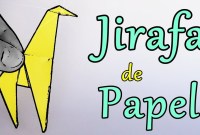
Welcome to the fascinating world of origami, where we embark on a creative journey to bring to life a majestic giraffe from a single sheet of paper. Origami, the art of paper folding, offers a delightful blend of precision, patience, and creativity. In this step-by-step guide, we’ll walk you through the process of creating an origami giraffe that will surely impress and inspire. Let’s dive right into the art of paper folding and discover the intricate beauty of this graceful animal.
To begin our origami adventure, you’ll need a square piece of paper. Choose a color that captures the essence of the giraffe’s majestic coat, such as golden yellow or earthy brown. Once you have your paper ready, follow these instructions carefully, folding and unfolding the paper with precision. Each step brings you closer to revealing the elegant giraffe form. As you progress through the folds, you’ll witness the transformation of a flat sheet of paper into a three-dimensional masterpiece.
Now that you have an overview of the process, let’s dive into the detailed steps required to create your origami giraffe. Pay close attention to the instructions and diagrams accompanying each step. Remember, patience and precision are key in the art of origami. With each fold, you’ll discover the magic of paper folding and the intricate details that bring the giraffe to life.
origami anleitung giraffe
Create majestic giraffe from paper.
- Choose desired paper color.
- Follow step-by-step instructions.
- Fold with precision and patience.
- Transform flat paper into 3D giraffe.
- Discover intricate details of giraffe.
- Enjoy the art of paper folding.
- Create unique origami masterpiece.
- Share your giraffe with friends.
Origami giraffe: a symbol of creativity, patience, and beauty.
Choose desired paper color.
When selecting the paper color for your origami giraffe, consider the following factors to enhance the visual appeal of your creation:
1. Naturalistic Look: If you want your giraffe to resemble its real-life counterpart, opt for earth-toned colors such as golden yellow, light brown, or beige. These colors will create a sense of authenticity and bring the giraffe’s natural beauty to life.
2. Artistic Expression: Origami allows you to express your creativity and artistic vision. Feel free to choose colors that you find visually appealing, even if they are not typically associated with giraffes. Experiment with bold hues, vibrant patterns, or even metallic papers to create a unique and eye-catching giraffe.
3. Paper Thickness: Consider the thickness of the paper you choose. Thicker paper tends to hold creases better and is less prone to tearing, making it ideal for complex origami models like the giraffe. However, thicker paper can also be more challenging to fold precisely.
4. Paper Quality: Opt for high-quality origami paper or cardstock. Good quality paper will fold cleanly and crisply, resulting in a more polished and professional-looking giraffe.
Once you have chosen the perfect paper color and type, you are ready to embark on the exciting journey of folding your origami giraffe. Remember, the beauty of origami lies in the intricate folds and attention to detail. Take your time, enjoy the process, and let your creativity shine through.
Follow step-by-step instructions.
To ensure the successful creation of your origami giraffe, follow these step-by-step instructions carefully:
- 1. Prepare Your Workspace:
Find a clean, flat surface where you can comfortably work. Ensure you have enough space to fold and unfold the paper without any obstructions.
- 2. Study the Diagrams and Instructions:
Before you start folding, take some time to study the diagrams and instructions provided. Familiarize yourself with the different folds and their sequences. This will help you visualize the process and avoid confusion while folding.
- 3. Fold with Precision:
When making the folds, be as precise as possible. Crease the folds sharply and neatly. This will ensure clean lines and a well-defined giraffe shape.
- 4. Pay Attention to Details:
Origami involves intricate details that contribute to the overall beauty of the model. Pay close attention to small details such as the shape of the giraffe’s neck, the placement of its spots, and the angle of its head.
Remember, origami is a process that requires patience and focus. Take your time, enjoy the journey of creation, and don’t be afraid to experiment. With practice, you’ll be able to create stunning origami giraffes that will impress and delight your friends and family.
Fold with precision and patience.
Precision and patience are essential qualities for successful origami creations. Here’s why:
1. Accuracy: Precise folding ensures accuracy in the final shape and proportions of your origami giraffe. Each fold contributes to the overall structure and aesthetics of the model. By maintaining precision, you create a giraffe that is well-balanced and visually appealing.
2. Clean Lines: Sharp and crisp folds result in clean lines and a polished look. When you fold with precision, the creases are defined, and the giraffe’s form becomes more pronounced. This attention to detail elevates the overall appearance of your origami creation.
3. Structural Integrity: Origami models rely on the integrity of the folds to maintain their shape. Precise folding ensures that the folds are secure and the model is structurally sound. This is especially important for complex models like the giraffe, which has multiple layers and intricate details.
4. Patience: Origami requires patience and focus. Rushing through the folding process can lead to mistakes and a less refined outcome. Take your time, enjoy the meditative aspect of origami, and allow yourself to fully engage in the creative process. Patience will reward you with a beautifully crafted origami giraffe.
Remember, origami is an art form that celebrates precision and patience. By embracing these qualities, you embark on a journey of creativity and mindfulness, transforming a simple sheet of paper into a stunning work of art.
Transform flat paper into 3D giraffe.
Origami’s magic lies in its ability to transform a flat sheet of paper into a three-dimensional object, and the giraffe is a prime example of this transformation.
1. The Art of Folding: Origami involves a series of precise folds that gradually shape the paper into the desired form. Each fold serves a purpose, whether it’s creating the giraffe’s long neck, its slender legs, or its distinctive spots. As you progress through the folding sequence, the flat paper begins to take on a new dimension, transitioning from a two-dimensional plane to a three-dimensional sculpture.
2. Structural Complexity: The origami giraffe model showcases the structural complexity that can be achieved through paper folding. The model consists of multiple layers and intricate details, all carefully crafted through a series of interlocking folds. These folds provide support and stability to the giraffe’s structure, allowing it to stand upright and maintain its graceful pose.
3. Artistic Interpretation: The transformation from flat paper to 3D giraffe is not merely a technical exercise; it’s an artistic interpretation of the animal’s form. The origami giraffe captures the essence of the animal’s elegance, its long neck reaching towards the sky, its slender legs poised in a graceful stride. The art of origami breathes life into the paper, transforming it into a symbol of the African savannah.
As you complete the final folds and the giraffe takes its shape, you witness the metamorphosis of a simple piece of paper into a captivating work of art. This transformation is a testament to the power of origami, where creativity and precision converge to create something truly extraordinary.
Discover intricate details of giraffe.
The origami giraffe model is a treasure trove of intricate details that capture the unique characteristics of this majestic animal. Explore some of these captivating details:
- 1. Long Neck:
The giraffe’s signature long neck is meticulously recreated through a series of careful folds. The neck consists of multiple segments that allow for flexibility and movement, just like the real giraffe.
- 2. Graceful Legs:
The giraffe’s slender legs are crafted with precision, capturing the animal’s graceful gait. The legs are positioned in a way that suggests movement and balance, as if the giraffe is striding across the savannah.
- 3. Distinctive Spots:
The giraffe’s iconic spots are meticulously placed on the origami model, adding a touch of realism and visual interest. The spots are often created using a combination of different folding techniques, resulting in a variety of shapes and patterns.
- 4. Expressive Face:
The origami giraffe’s face is a masterpiece of detail. The eyes, nose, and mouth are carefully shaped and positioned to convey a sense of curiosity and alertness. The ears are also crafted with precision, adding to the giraffe’s overall charm.
As you study the intricate details of the origami giraffe, you gain a deeper appreciation for the art of paper folding. Each fold contributes to the overall beauty and realism of the model, making it a true work of art.
Enjoy the art of paper folding.
Origami is more than just a hobby; it’s an art form that offers a unique and rewarding experience. As you embark on the journey of creating your origami giraffe, embrace the process and savor the joy of paper folding:
1. Mindfulness and Focus: Origami requires focus and concentration, providing an opportunity to practice mindfulness. As you fold and crease the paper, let go of distractions and immerse yourself in the present moment. The repetitive nature of folding can be meditative, helping you relax and find inner peace.
2. Creative Expression: Origami allows you to express your creativity in a tangible way. Through your choice of paper color, the precision of your folds, and the overall design, you can create a giraffe that is uniquely yours. Origami empowers you to turn your imagination into a physical form.
3. Sense of Accomplishment: Completing an origami model, especially a complex one like the giraffe, brings a great sense of accomplishment. As you see the giraffe take shape, you witness the fruits of your patience and dedication. This feeling of achievement can boost your confidence and motivate you to take on new challenges.
4. Connection to Culture and History: Origami has a rich cultural history, dating back centuries. By engaging in origami, you connect with this heritage and become part of a global community of paper folders. Learning about the history and different styles of origami can deepen your appreciation for this art form.
Origami is an art that nourishes the mind, body, and soul. As you enjoy the process of folding your origami giraffe, embrace the beauty of simplicity, the joy of creativity, and the satisfaction of accomplishment.
Create unique origami🦒.
Once you’ve mastered the basic steps of creating an origami giraffe, you can explore ways to personalize and unique your model:
1. Experiment with Different Paper: Try using different types and colors of paper to create unique variations of your giraffe. You can use textured paper, metallic paper, or even patterned paper to add visual interest and depth to your model.
2. Add Personal Touches: Use colored pens or paints to add details to your giraffe, such as eyes, spots, or a mane. You can also attach accessories like a tiny paper hat or a string around its neck to make it even more unique.
3. Explore Different Origami Folds: There are many different origami folds that can be used to create different parts of the giraffe, such as the neck, legs, and head. Experiment with different folds to achieve different effects and create a giraffe that stands out from the rest.
4. Create a Origami Giraffe Family: Make a whole family of giraffes in different sizes and colors. You can create baby giraffes, adult giraffes, and even a proud patriarch giraffe. This will add a fun and dynamic element to your origami collection.
By using your imagination and experimenting with different techniques, you can create origami giraffes that are truly unique and reflect your personal style. Don’t be afraid to let your creativity run wild and explore the endless possibilities of origami.
Share your giraffe with friends.
Once you’ve created your origami giraffe, don’t keep it all to yourself! Share the joy of origami with your friends and loved ones:
- 1. Gift It to a Friend: An origami giraffe makes a thoughtful and unique gift for any occasion. It shows that you put time and effort into creating something special just for them.
- 2. Host an Origami Party: Invite your friends over for an origami party. Teach them how to fold their own giraffes, and enjoy a fun and creative afternoon together.
- 3. Display It in Your Home: Place your origami giraffe in a prominent spot in your home, where it can be admired by all who visit. It will add a touch of elegance and creativity to your décor.
- 4. Take It to School or Work: Bring your origami giraffe to school or work to share with your classmates or colleagues. It’s a great way to spark conversations and spread the love of origami.
Sharing your origami giraffe is a wonderful way to connect with others, inspire creativity, and spread the joy of paper folding. Who knows, you might even inspire someone to start their own origami journey!
FAQ
Have questions about creating cool origami? Here are some frequently asked questions and answers to help you on your origami journey:
Question 1: What is the best paper for cool origami?
Answer: High-quality origami paper or cardstock is ideal for creating crisp folds and intricate designs. Choose paper that is strong and不易撕裂, yet easy to fold.
Question 2: Where can I find cool origami instructions?
Answer: There are many resources available for finding cool origami instructions. You can find books, websites, and video tutorials that provide step-by-step guides for folding a variety of origami models.
Question 3: What are some popular cool origami models?
Answer: Some popular cool origami models include animals (such as giraffes, dragons, and elephants), geometric shapes, modular origami (where multiple units are combined to create larger structures), and action origami (models that move or transform). The possibilities are endless!
Question 4: How can I improve my origami skills?
Answer: Practice is key to improving your origami skills. The more you fold, the better you will become at creating crisp folds and complex models. You can also take origami classes or workshops to learn new techniques and get feedback on your work.
Question 5: Can I create my own cool origami models?
Answer: Absolutely! Once you have mastered the basics of origami, you can start experimenting with your own designs. Be creative and let your imagination run wild. You can also find inspiration from other origami artists and adapt their models to create your own unique designs.
Question 6: How can I share my cool origami creations with others?
Answer: There are many ways to share your cool origami creations with others. You can display them in your home, give them as gifts, or even sell them online. You can also participate in origami exhibitions or join origami clubs to connect with other origami enthusiasts and share your passion for this art form.
Remember, origami is a journey of creativity, patience, and fun. Don’t be afraid to experiment and explore different models and techniques. With practice and dedication, you can create truly cool and impressive origami masterpieces.
Now that you have a better understanding of cool origami, let’s explore some additional tips to help you create even more amazing models.
Tips
Here are some practical tips to help you create cool origami models that will impress and inspire:
Tip 1: Start with simple models. Before attempting complex origami models, start with simple ones to build your skills and confidence. This will help you understand the basic folds and techniques, which are essential for creating more intricate models.
Tip 2: Use high-quality paper. The quality of your paper can greatly impact the outcome of your origami model. Choose paper that is strong and不易撕裂, yet easy to fold. Good quality origami paper will hold creases well and produce crisp folds.
Tip 3: Be patient and take your time. Origami requires patience and attention to detail. Rushing through the folding process can lead to mistakes and a less polished final product. Take your time, focus on each fold, and enjoy the process of creating something beautiful.
Tip 4: Experiment and be creative. Once you have mastered the basics, don’t be afraid to experiment and explore different origami models and techniques. You can also try creating your own unique designs. Be creative and let your imagination run wild. There are endless possibilities in the world of origami!
Remember, cool origami is all about having fun and expressing your creativity. With practice, patience, and a bit of experimentation, you can create truly amazing origami models that will impress and inspire others.
Now that you have a better understanding of cool origami and some practical tips to help you create amazing models, let’s wrap things up with a brief conclusion.
Conclusion
Cool origami is a fascinating art form that combines creativity, precision, and mindfulness. Whether you’re a beginner or an experienced folder, there’s always something new to learn and explore in the world of origami.
In this article, we embarked on a journey to discover the魅力and intricacies of cool origami. We explored different aspects of this art form, from choosing the right paper to following step-by-step instructions and creating unique origami masterpieces. We also discussed ways to share your creations with others and provided practical tips to help you improve your origami skills.
Remember, cool origami is about more than just folding paper. It’s about expressing your creativity, challenging yourself, and finding joy in the process. So embrace the art of origami, let your imagination soar, and create cool and inspiring models that will amaze and delight.
As you continue your origami journey, remember to be patient, practice regularly, and never stop learning. The world of origami is vast and充滿驚喜, waiting for you to explore its endless possibilities. Happy folding!