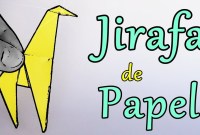
In the realm of origami, the ancient art of paper folding, we embark on a fascinating adventure as we explore the creation of an exquisite 3D giraffe. This journey promises an engaging and rewarding experience, where patience, precision, and creativity converge to bring life to a graceful giraffe made entirely from a single square sheet of paper.
As we delve into the world of origami, we will discover the intriguing history of this traditional Japanese art form, its global influence, and the remarkable diversity of origami models. We will uncover the unique characteristics of origami giraffes, exploring variations in design, complexity, and artistic interpretation. Additionally, we will discuss the benefits of engaging in origami, including its positive impact on cognitive development, spatial reasoning, and relaxation.
Now, as we transition from this introductory exploration into the practical aspects of origami giraffe creation, let us gather our materials and prepare ourselves for an enriching journey through the art of intricate paper folding.
origami 3d jirafa
Discover the elegance of paper-crafted giraffes.
- Modular design
- Realistic features
- Patience and precision
- Single square sheet
- Creative challenge
Embark on a journey of intricate paper folding to bring a graceful giraffe to life.
Modular design
At the heart of origami 3D giraffes lies the concept of modular design. This ingenious approach involves assembling multiple smaller origami units, or modules, into a larger and more intricate structure. Each module is typically a simple geometric shape, such as a square or a triangle, which is folded according to a specific pattern. These individual modules are then interconnected, often using clever folding techniques, to form the various components of the giraffe, such as the body, neck, head, and legs.
The modular design of origami 3D giraffes offers several advantages. Firstly, it allows for a more efficient and systematic approach to folding complex models. By breaking down the giraffe into smaller, manageable units, folders can focus on perfecting each module individually before assembling them into the final structure. This modular approach also facilitates the creation of larger and more elaborate giraffes, as folders can simply add or remove modules to adjust the size and complexity of their model.
Furthermore, the modular design of origami 3D giraffes opens up exciting possibilities for customization and creativity. Folders can experiment with different types of modules, folding patterns, and assembly techniques to create giraffes with unique appearances and characteristics. This flexibility allows folders to express their artistic vision and create giraffes that reflect their personal style and preferences.
In summary, the modular design of origami 3D giraffes offers a structured and versatile approach to folding complex models, while also providing opportunities for customization and creative expression.
With patience, precision, and a keen eye for detail, you can bring your own origami 3D giraffe to life, showcasing the beauty and elegance of this captivating papercraft.
Realistic features
Origami 3D giraffes can be crafted to exhibit a remarkable level of realism, capturing the distinctive characteristics and graceful姿態 of these majestic creatures.
- Accurate proportions:
Skilled folders strive to achieve accurate proportions for their origami giraffes, ensuring that the body, neck, and legs are in harmony with one another. This attention to detail contributes to the overall realism of the model.
- Detailed features:
Origami 3D giraffes can incorporate intricate details that enhance their realism. These details may include the giraffe’s distinctive spots, the shape of its head and muzzle, and even the texture of its skin. Folders use clever folding techniques and careful shaping to bring these details to life.
- Dynamic poses:
Origami 3D giraffes can be posed in various dynamic positions, adding to their lifelike appearance. Some folders create giraffes that appear to be walking, grazing, or even leaping. These dynamic poses capture the essence of the giraffe’s movements and add a sense of energy to the model.
- Expressive eyes:
The eyes of an origami 3D giraffe can convey a range of emotions, from curiosity and alertness to gentleness and grace. Folders use clever folding techniques to create eyes that appear to follow the viewer, adding to the interactive and engaging nature of the model.
Through meticulous folding and careful attention to detail, origami artists can create stunningly realistic 3D giraffes that capture the beauty and elegance of these iconic animals.
Patience and precision
Origami 3D giraffes demand patience and precision at every stage of the folding process. From the initial unfolding and preparation of the paper to the final shaping and assembly of the model, each step requires careful attention to detail and a steady hand.
Patience is essential when folding origami 3D giraffes, as the process can be time-consuming and requires focus and concentration. Folders must be willing to take their time, working through each fold methodically and ensuring that each crease is sharp and accurate. Rushing through the process can lead to mistakes and a poorly executed model.
Precision is equally important in creating origami 3D giraffes. Each fold must be executed with precision to ensure that the model takes shape correctly and exhibits the desired level of detail. Folders must be mindful of the angle and direction of each fold, as even slight deviations can affect the overall appearance of the giraffe.
The combination of patience and precision allows origami artists to create stunningly intricate and realistic 3D giraffes that capture the essence of these graceful animals. These models are a testament to the dedication and skill of the folders who invest their time and effort into bringing them to life.
As you embark on your own origami 3D giraffe journey, remember to embrace the principles of patience and precision. With practice and perseverance, you will be able to craft beautiful and captivating models that showcase your newfound origami skills.
Single square sheet
Origami 3D giraffes are typically crafted from a single square sheet of paper, showcasing the versatility and transformative power of this ancient art form.
- Uncut and uncreased:
The beauty of origami 3D giraffes lies in their creation from a single uncut and uncreased square sheet of paper. This restriction adds an additional challenge for folders, as they must carefully plan and execute each fold to achieve the desired shape and structure.
- Variety of paper types:
Origami 3D giraffes can be folded using a variety of paper types, each with its own unique characteristics. Some popular choices include origami paper, which is specifically designed for folding and holds creases well, and kraft paper, which adds a rustic and natural touch to the model.
- Color and pattern:
The choice of paper color and pattern can greatly influence the appearance of the origami 3D giraffe. Folders can opt for solid colors, vibrant patterns, or even gradient papers to create giraffes with distinct personalities and styles.
- Sustainability and simplicity:
Using a single square sheet of paper promotes sustainability by minimizing waste. Additionally, the simplicity of materials required for origami 3D giraffes makes it an accessible and affordable art form that can be enjoyed by people of all ages and backgrounds.
The creation of origami 3D giraffes from a single square sheet of paper is a testament to the ingenuity and creativity of origami artists. These captivating models showcase the boundless possibilities of paper folding and continue to inspire and amaze origami enthusiasts worldwide.
Creative challenge
Origami 3D giraffes present a creative challenge that captivates and engages folders of all skill levels. This challenge stems from the unique characteristics and complexities of these models.
One aspect of the creative challenge lies in the design and engineering of the model. Origami 3D giraffes often incorporate intricate folding patterns and modular structures that require careful planning and execution. Folders must visualize the final form of the giraffe and work backward, step by step, to create the necessary folds and assemblies.
Furthermore, the creative challenge of origami 3D giraffes extends to the artistic interpretation of the subject. Folders have the freedom to imbue their giraffes with distinct personalities and characteristics through their choice of paper, color, and folding techniques. This artistic expression allows folders to explore their creativity and create giraffes that reflect their unique style and vision.
Additionally, the creative challenge of origami 3D giraffes lies in the problem-solving and critical thinking skills required to overcome obstacles and unexpected difficulties that may arise during the folding process. Folders must be adaptable and resourceful, experimenting with different approaches and techniques to achieve the desired outcome.
Embracing the creative challenge of origami 3D giraffes offers a rewarding and fulfilling experience. The satisfaction of successfully folding a complex model, witnessing the transformation of a single square sheet of paper into a graceful giraffe, is a testament to the power of creativity and the human imagination.
As you embark on your own origami 3D giraffe journey, embrace the creative challenge and allow yourself to be inspired by the boundless possibilities of paper folding. With patience, perseverance, and a touch of ingenuity, you will be able to create stunning and captivating giraffes that showcase your creativity and skill.
FAQ
Curious minds often seek answers to their origami inquiries. Here’s a collection of frequently asked questions about the fascinating world of cool origami:
Question 1: What makes origami cool?
Answer 1: Origami’s coolness lies in its unique blend of art, mathematics, and engineering. The transformation of a flat sheet of paper into intricate three-dimensional forms captivates the imagination and showcases the endless possibilities of paper folding.
Question 2: How can I learn cool origami?
Answer 2: Embark on your origami journey by exploring online tutorials, books, or attending workshops. Start with simpler models to grasp the basics and gradually progress to more challenging and intricate designs as your skills improve.
Question 3: What type of paper is best for cool origami?
Answer 3: Choose origami paper specifically designed for folding, as it holds creases well and comes in a variety of colors and patterns. You can also experiment with other types of paper, such as parchment paper, tissue paper, or even dollar bills, to achieve different effects.
Question 4: Can I create my own cool origami designs?
Answer 4: Absolutely! Origami offers a platform for creativity and innovation. Once you have mastered the basics, let your imagination soar and explore new folding techniques and patterns to create your own unique origami designs.
Question 5: Where can I find inspiration for cool origami?
Answer 5: Seek inspiration from nature, architecture, art, and everyday objects. Observe the shapes, patterns, and structures around you and translate them into origami creations. Origami books, magazines, and online galleries are also great sources of inspiration.
Question 6: How can I display my cool origami creations?
Answer 6: Showcase your origami masterpieces in various ways. Hang them as wall art, arrange them on shelves or tables, or create origami mobiles and garlands to add a touch of elegance to your space.
As you delve deeper into the world of cool origami, remember that practice, patience, and a touch of creativity are the keys to unlocking its endless possibilities. Embrace the challenge and enjoy the satisfaction of folding stunning and intricate origami creations that captivate and inspire.
Now that you have a better understanding of cool origami, let’s explore some additional tips and tricks to elevate your folding skills and create truly awe-inspiring origami masterpieces.
Tips
Elevate your cool origami creations to new heights with these practical tips:
Tip 1: Master the Basics:
A solid foundation is essential in origami. Start with simpler models to grasp the fundamental folding techniques and crease patterns. Once you have mastered the basics, you can confidently tackle more complex and intricate designs.
Tip 2: Choose Quality Paper:
The choice of paper can significantly impact your origami experience. Opt for high-quality origami paper or specialty papers designed for folding. These papers hold creases well and allow for precise folding, resulting in crisp and clean models.
Tip 3: Practice Patience and Precision:
Origami requires patience and precision. Take your time with each fold, ensuring that it is sharp and accurate. Rushing through the process can lead to mistakes and a poorly executed model. Embrace the meditative aspect of origami and enjoy the journey of creating something beautiful, one fold at a time.
Tip 4: Experiment and Innovate:
Don’t be confined to traditional origami designs. Encourage your creativity and explore new folding techniques and patterns. Experiment with different types of paper, colors, and embellishments to create unique and personalized origami pieces that reflect your own style and vision.
As you continue your origami journey, remember that practice and dedication are key to mastering this captivating art form. Embrace the challenge, experiment with different approaches, and never stop learning. With patience, precision, and a touch of creativity, you will be able to create stunning and intricate origami masterpieces that amaze and inspire.
Now that you have delved into the world of cool origami and discovered practical tips to enhance your folding skills, let’s explore some additional resources and ideas to further fuel your origami passion and creativity.
Conclusion
As we reach the end of our origami journey, it’s time to reflect on the captivating world of cool origami and appreciate its unique blend of art, mathematics, and engineering. Throughout this article, we explored various aspects of cool origami, from its intricate designs and modular structures to the creative challenge and satisfaction it offers.
Cool origami invites us to embrace our creativity and explore the endless possibilities of paper folding. It teaches us patience, precision, and the importance of following instructions carefully. Moreover, origami has been shown to have therapeutic benefits, reducing stress and improving cognitive function.
Whether you’re a seasoned origami enthusiast or just starting your folding adventure, I encourage you to continue exploring the fascinating realm of cool origami. With practice, dedication, and a touch of imagination, you can create stunning and intricate origami masterpieces that will captivate and inspire all who see them.
Remember, the beauty of origami lies in its simplicity and elegance. From a single square sheet of paper, you can transform it into a myriad of captivating forms, each telling a unique story. So, keep folding, keep learning, and keep discovering the wonders of cool origami.