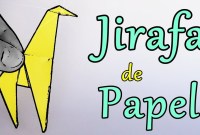
Discover the fascinating world of money origami, where ordinary banknotes are transformed into exquisite works of art. Step into a realm where creativity and monetary value intertwine, unveiling the history, techniques, and cultural significance of this unique art form.
Origami, the ancient art of paper folding, has captivated people worldwide for centuries. With its intricate designs and endless possibilities, origami has found its way into various forms, including money origami. This specialized branch of origami takes paper currency as its medium, turning it into intricate and captivating sculptures. Whether you’re a seasoned origami enthusiast or a curious newcomer, money origami offers a fresh perspective on creativity, art appreciation, and the power of transformation.
Join us as we embark on a journey through the world of money origami, exploring its origins, cultural significance, and the techniques used to create these remarkable works of art. We’ll delve into the captivating history of money origami, uncover the cultural and economic factors that have shaped its evolution, and provide step-by-step instructions for creating your very own money origami pieces.
money origami number 1
Unveiling the Art of Transforming Currency
- Ancient art of paper folding
- Transforms currency into art
- Creativity and monetary value
- Cultural and economic factors
- Step-by-step instructions
- Create your own money origami
- Unique and captivating sculptures
- Fresh perspective on creativity
Experience the beauty and intrigue of money origami as you delve into its history, techniques, and cultural significance. Discover the endless possibilities of transforming ordinary banknotes into extraordinary works of art.
Ancient art of paper folding
The art of paper folding, known as origami, has its roots in ancient times. Its origins can be traced back to China in the 2nd century BC, where it was used for ceremonial and decorative purposes. Over the centuries, origami spread to Japan, where it became an integral part of traditional culture and was used in various aspects of life, including religious ceremonies, gift-giving, and entertainment.
In the early days, origami was primarily used for practical purposes, such as creating envelopes, boxes, and other functional objects. However, as the art form evolved, it transitioned into a more creative and decorative expression. Origami artists began to explore the intricate possibilities of folding paper, resulting in the development of complex and visually stunning designs.
The ancient art of paper folding has had a profound impact on the development of money origami. Early money origami artists drew inspiration from traditional origami techniques and patterns, adapting them to the unique properties and constraints of banknotes. This fusion of traditional origami with the innovative use of currency resulted in a new and captivating art form that continues to fascinate and intrigue people worldwide.
Today, money origami is recognized as a legitimate art form, with exhibitions and competitions held around the world. Money origami artists continue to push the boundaries of creativity, using banknotes as their canvas to create intricate and visually stunning sculptures that showcase their exceptional folding skills and artistic vision.
The ancient art of paper folding has provided a solid foundation for the development of money origami. By adapting traditional origami techniques to the unique properties of banknotes, money origami artists have created a new and exciting art form that captivates audiences with its intricate designs, cultural significance, and monetary value.
Transforms currency into art
Money origami is a unique art form that transforms ordinary banknotes into exquisite works of art. This transformation process involves intricate folding techniques that manipulate the paper currency into various shapes and forms, often resembling animals, objects, or even famous landmarks.
The ability of money origami to transform currency into art lies in the inherent properties of paper money. Banknotes are typically made from high-quality paper that is both strong and flexible, making them ideal for folding and shaping. Additionally, the colors and designs printed on banknotes provide a visually appealing canvas for origami artists to work with.
Money origami artists use various folding techniques to create their intricate designs. These techniques range from simple folds, such as the basic crease fold, to complex and challenging folds, such as the squash fold or the petal fold. By carefully manipulating the paper currency, artists can create lifelike sculptures that capture the essence of the subject they are representing.
The transformation of currency into art through money origami not only showcases the creativity and skill of the artist but also challenges traditional notions of money’s value and purpose. By using banknotes as a medium for artistic expression, money origami artists賦予貨幣新的意義,並將其提升為一種具有審美價值和文化意義的藝術品。
The ability of money origami to transform currency into art is a testament to the boundless creativity and ingenuity of origami artists. By manipulating paper money with precision and skill, these artists create captivating sculptures that transcend the monetary value of the banknotes and elevate them to the realm of fine art.
Creativity and monetary value
Money origami is a unique art form that merges creativity with monetary value in intriguing ways.
- Artistic Expression:
Money origami provides a platform for artists to express their creativity and artistic vision. By transforming banknotes into intricate sculptures, artists create works of art that captivate audiences with their beauty, complexity, and originality.
- Monetary Value:
The banknotes used in money origami retain their monetary value, even after being folded into intricate designs. This duality of artistic and monetary value creates a unique tension that challenges traditional notions of currency and art.
- Limited Edition and Rarity:
Money origami pieces are often created using limited edition or rare banknotes, which adds to their value as collectibles. The scarcity of certain banknotes and the intricate nature of the folding techniques employed contribute to the exclusivity and desirability of money origami artworks.
- Investment Potential:
In some cases, money origami artworks can appreciate in value over time, making them attractive investments for collectors and art enthusiasts. The rarity, uniqueness, and artistic merit of these pieces contribute to their potential for financial growth.
The convergence of creativity and monetary value in money origami creates a fascinating interplay between art and finance. Money origami artists navigate this delicate balance, transforming banknotes into visually stunning artworks while preserving their intrinsic worth. This unique combination of artistic expression and monetary value sets money origami apart from other art forms and contributes to its growing popularity among collectors and art enthusiasts worldwide.
Cultural and economic factors
Money origami is influenced by a variety of cultural and economic factors that shape its development and significance.
- Cultural Heritage:
Money origami draws upon cultural traditions and heritage, particularly in countries where paper folding has a long history. The art form reflects cultural values, beliefs, and artistic sensibilities, often incorporating traditional symbols, patterns, and motifs into the designs.
- Economic Value:
The economic value of banknotes used in money origami plays a significant role in shaping the art form. The rarity, age, and condition of the banknotes can influence the value and desirability of the resulting origami pieces. Some artists use rare or limited-edition banknotes to create exclusive and valuable artworks.
- Artistic Expression and Identity:
Money origami provides a platform for artists to express their cultural identity and perspectives. By incorporating elements of their heritage and culture into their designs, artists can create artworks that resonate with audiences on a deeper level.
- Economic Empowerment:
In some communities, money origami has been used as a means of economic empowerment. By transforming banknotes into intricate works of art, individuals can add value to the currency and potentially generate income through sales or exhibitions.
Cultural and economic factors intersect to create a dynamic and evolving art form in money origami. Artists navigate these factors to produce artworks that reflect their cultural heritage, explore economic themes, and challenge traditional notions of value and currency. Money origami’s unique ability to bridge the worlds of art and finance makes it a compelling and thought-provoking art form that continues to captivate audiences worldwide.
Step-by-step instructions
Creating money origami artworks involves a series of careful folds and precise techniques. While the specific steps may vary depending on the design, here are some general guidelines to get you started:
- Choose Your Banknote:
Select a clean and crisp banknote that is free of tears or creases. The size and denomination of the banknote will determine the size and complexity of your origami piece.
- Prepare Your Workspace:
Find a flat and clean surface where you can work comfortably. Ensure you have good lighting and enough space to maneuver the banknote without obstruction.
- Follow the Folding Pattern:
Locate a reliable source for money origami folding patterns, such as books, websites, or video tutorials. Choose a pattern that suits your skill level and preferences. Start with simpler designs and gradually progress to more intricate ones as you gain experience.
- Fold with Precision:
When folding the banknote, take your time and make precise creases. Use your fingers to gently press along the fold lines, ensuring they are sharp and well-defined. Avoid creasing the banknote excessively, as this can damage the paper.
With patience, practice, and attention to detail, you can create stunning money origami artworks. Remember to start with simpler designs and gradually work your way up to more challenging ones as your skills improve. Enjoy the creative process and the satisfaction of transforming ordinary banknotes into extraordinary works of art.
Create your own money origami
Creating your own money origami pieces is a rewarding and fulfilling experience. Here are some steps to help you get started:
- Choose Your Design:
Select a money origami design that appeals to you and matches your skill level. Start with simpler designs to build your confidence and gradually progress to more intricate ones as you gain experience.
- Gather Your Materials:
You will need a crisp and clean banknote, a flat and clean workspace, and a pair of tweezers (optional). Tweezers can be helpful for making precise folds and manipulating small details.
- Follow the Folding Instructions:
Locate a reliable source for money origami folding instructions, such as books, websites, or video tutorials. Follow the instructions carefully, paying attention to the sequence and direction of the folds.
- Practice and Experiment:
Practice folding the design multiple times until you become comfortable with the steps and can execute them smoothly. Don’t be afraid to experiment with different folding techniques and create your own variations of the design.
Creating your own money origami pieces allows you to express your creativity and produce unique artworks. With practice and dedication, you can master the art of money origami and impress your friends and family with your intricate and captivating creations.
Unique and captivating sculptures
Money origami artists use their skills and creativity to transform ordinary banknotes into extraordinary sculptures that captivate audiences worldwide. These sculptures range from intricate geometric patterns to lifelike representations of animals, objects, and even famous landmarks.
The unique properties of banknotes, such as their color, texture, and flexibility, provide a versatile medium for creating visually stunning sculptures. Artists manipulate the banknotes with precision, using various folding techniques to achieve intricate details and lifelike forms.
Money origami sculptures are often characterized by their intricate and delicate nature. The crisp folds and sharp lines create a sense of elegance and sophistication, while the use of multiple banknotes adds depth and dimension to the artwork. Some artists incorporate additional materials, such as wire or beads, to enhance the visual impact of their sculptures.
The captivating nature of money origami sculptures lies in their ability to challenge traditional notions of value and currency. By transforming banknotes into works of art, artists赋予貨幣新的意義,並將其提升為一種具有審美價值和文化意義的藝術品。These sculptures invite viewers to contemplate the relationship between art, money, and societal values.
Money origami sculptures are unique and captivating works of art that showcase the creativity, skill, and artistic vision of their creators. These sculptures transcend the monetary value of the banknotes used and elevate them to the realm of fine art, where they are appreciated for their aesthetic beauty, cultural significance, and ability to challenge traditional notions of value and currency.
Fresh perspective on creativity
Money origami offers a fresh perspective on creativity by challenging traditional notions of art and value. Here are some ways in which money origami provides a unique and innovative approach to artistic expression:
- Unconventional Medium:
Money origami uses banknotes as its primary medium, which is unconventional and unexpected in the art world. This choice of material challenges traditional notions of what constitutes art and opens up new possibilities for artistic exploration.
- Transformation of Value:
Money origami transforms the monetary value of banknotes into aesthetic and cultural value. By manipulating banknotes into intricate and visually stunning sculptures, artists赋予貨幣新的意義,並將其提升為一種具有審美價值和文化意義的藝術品。This transformation challenges traditional notions of value and invites viewers to contemplate the relationship between art, money, and societal values.
- Interdisciplinary Approach:
Money origami combines elements of origami, sculpture, and currency, creating an interdisciplinary art form that draws upon multiple disciplines. This convergence of different artistic traditions fosters innovation and encourages artists to explore new creative possibilities.
- Cultural Exchange:
Money origami transcends cultural boundaries, as banknotes are used and recognized worldwide. By incorporating various banknotes from different countries and cultures into their artworks, money origami artists promote cultural exchange and dialogue. This global perspective challenges traditional notions of artistic expression and opens up new avenues for cross-cultural collaboration and understanding.
Money origami offers a fresh perspective on creativity by challenging traditional notions of art, value, and artistic expression. It encourages artists to think outside the box, explore unconventional materials, and engage with global and cultural contexts. Through its unique approach to art-making, money origami provides a platform for innovation, experimentation, and a deeper appreciation of the creative process.
FAQ
Welcome to the FAQ section dedicated to cool origami! Discover answers to commonly asked questions about this fascinating art form and learn more about its techniques, applications, and unique appeal.
Question 1: What is cool origami?
Answer: Cool origami refers to innovative and visually striking origami designs that push the boundaries of traditional origami. It often involves complex folding patterns, unique materials, and creative interpretations of classic origami forms.
Question 2: What sets cool origami apart from traditional origami?
Answer: Cool origami distinguishes itself through its focus on intricate designs, experimentation with unconventional materials, and a modern aesthetic. It challenges traditional notions of origami and explores new possibilities in folding techniques and artistic expression.
Question 3: What are some popular cool origami designs?
Answer: Cool origami designs encompass a wide range of subjects, including geometric patterns, animals, flowers, and abstract shapes. Some popular designs include the Kawasaki rose, the lotus flower, the dragon, and the modular origami ball.
Question 4: What kind of paper is best for cool origami?
Answer: High-quality origami paper is essential for successful cool origami projects. Look for papers with good folding properties, such as thinness, crispness, and tear resistance. Some popular choices include kami paper, mulberry paper, and tant paper.
Question 5: How can I learn cool origami?
Answer: There are numerous resources available to learn cool origami. You can find instructional books, video tutorials, and online courses that provide step-by-step guidance for creating various cool origami designs.
Question 6: Where can I find cool origami inspiration?
Answer: Inspiration for cool origami can be found in various places. Origami exhibitions, social media platforms, and online origami communities showcase stunning origami creations that can spark your imagination and provide ideas for your own projects.
Question 7: Can I use cool origami for practical applications?
Answer: While cool origami is primarily an art form, it can also have practical applications. For example, you can use origami to create decorative elements for your home, make unique gift boxes, or even design functional objects like origami lamps and furniture.
Closing Paragraph:
With its endless possibilities for creativity and innovation, cool origami continues to captivate and inspire people worldwide. Whether you’re a seasoned origami enthusiast or just starting your folding journey, there’s always something new to discover in the world of cool origami.
From choosing the right paper to mastering advanced folding techniques, explore our comprehensive tips and tricks section to elevate your cool origami skills and create stunning works of art that will impress and amaze.
Tips
Unleash your creativity and elevate your cool origami skills with these practical tips and tricks:
Tip 1: Choose the Right Paper:
Selecting the appropriate paper is crucial for successful cool origami projects. Opt for high-quality origami paper known for its thinness, crispness, and tear resistance. These qualities will allow for precise folding and sharp creases, resulting in clean and visually appealing origami creations.
Tip 2: Master Basic Folds:
Before embarking on complex cool origami designs, ensure you have a solid foundation in basic origami folds. Familiarize yourself with folds like the crease fold, the valley fold, the mountain fold, and the squash fold. These fundamental folds serve as building blocks for more intricate patterns and enable you to create a wide range of origami models.
Tip 3: Practice Patience and Precision:
Cool origami often involves intricate folding patterns and細かい作業。Take your time, and fold with patience and precision. Rushing through the process may lead to mistakes and poorly executed folds. Embrace the meditative aspect of origami and enjoy the creative journey as you bring your designs to life.
Tip 4: Experiment with Different Techniques:
The world of cool origami is vast and offers endless opportunities for experimentation. Explore various folding techniques, such as wet-folding, modular origami, and kirigami. These techniques can add unique dimensions and textures to your origami creations, allowing you to push the boundaries of traditional origami.
Closing Paragraph:
With dedication, practice, and a touch of creativity, you can master the art of cool origami and create stunning works of art that captivate and inspire. Remember, the journey is as important as the destination, so enjoy the process of learning, experimenting, and expressing yourself through the magical world of origami.
As you continue your origami journey, delve into the fascinating history and cultural significance of this ancient art form. Discover how origami has evolved over time, the different styles and techniques practiced around the world, and the inspiring stories of renowned origami artists and enthusiasts.
Conclusion
Reflecting on the fascinating world of cool origami, we can appreciate its unique ability to blend creativity, innovation, and artistic expression. Cool origami challenges traditional notions of origami and pushes the boundaries of this ancient art form.
Summary of Main Points:
- Cool origami distinguishes itself through intricate designs, unconventional materials, and a modern aesthetic.
- It offers a fresh perspective on creativity, encouraging experimentation and exploration of new folding techniques.
- Cool origami designs can range from geometric patterns to lifelike representations of animals and objects.
- The art form is accessible to people of all skill levels, with resources available for learning and inspiration.
- Cool origami can be used for both artistic and practical applications, such as creating decorative elements and functional objects.
Closing Message:
As you embark on your cool origami journey, embrace the challenge, experiment with different techniques, and let your creativity soar. Whether you’re a seasoned enthusiast or just starting out, the world of cool origami promises endless opportunities for discovery, self-expression, and pure joy in the art of folding paper.