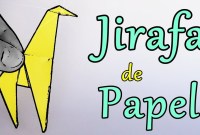
Origami, the art of paper folding, is a fascinating hobby that combines creativity with precision. If you’re looking for a fun and challenging project, making an origami giraffe is a great place to start. This step-by-step guide will provide you with clear instructions, accompanied by detailed images, to help you create a beautiful origami giraffe.
Origami giraffes are a popular choice among origami enthusiasts, as they are both visually appealing and relatively easy to make. With a little patience and attention to detail, you’ll be able to create a stunning origami giraffe that you can proudly display or gift to someone special.
Before jumping into the steps, let’s gather the materials you’ll need:
- A square piece of origami paper (preferably two-toned, with one side colored and the other white)
- A flat surface to work on
- Optional: a pair of tweezers or a bone folder to help with precise folds
Now that you have everything you need, let’s begin the origami giraffe journey!
How to Make an Origami Giraffe
Follow these 8 important steps to create a stunning origami giraffe:
- Choose two-toned paper.
- Make preliminary folds.
- Form the giraffe’s body.
- Create the head and neck.
- Add details like ears and horns.
- Shape the legs and feet.
- Refine and adjust.
- Display your origami giraffe.
With patience and attention to detail, you’ll have a beautiful origami giraffe in no time!
Choose Two-Toned Paper.
Selecting the right paper is crucial for creating a visually appealing origami giraffe. Two-toned origami paper, also known as dual-colored paper, adds depth and realism to your giraffe. It allows you to create distinct sections, such as the giraffe’s body and spots, using the different colors on each side of the paper.
When choosing two-toned paper, consider the following factors:
- Color Combination: Choose a color combination that complements each other well. For a classic giraffe look, opt for brown and cream or orange and white. You can also experiment with other color combinations, such as pink and purple or blue and green, to create a unique giraffe.
- Paper Weight: Select paper that is not too thick or too thin. Medium-weight origami paper, around 80-90 gsm (grams per square meter), is ideal as it holds creases well and is easy to fold.
- Paper Quality: Choose high-quality origami paper that is smooth and free of wrinkles or tears. This will ensure that your giraffe has crisp folds and a polished look.
By carefully selecting two-toned paper, you’ll create a vibrant and lifelike origami giraffe that showcases your creativity and attention to detail.
Once you have chosen the perfect two-toned paper, you can proceed to the next step: making the preliminary folds. These folds will serve as the foundation for the giraffe’s body and head.
Make Preliminary Folds.
Before you start shaping the giraffe’s body and head, you need to make some preliminary folds that will serve as the foundation for your origami giraffe.
Follow these steps to make the preliminary folds:
- Square Fold: Start with the colored side of the paper facing up. Fold the paper in half diagonally to form a square. Unfold the paper.
- Bird Base: Make two bird base folds. To do this, fold the paper in half horizontally, then unfold. Fold the paper in half vertically, then unfold. You should now have a crease pattern that resembles a bird’s wings.
- Open Sink Fold: Make an open sink fold along the horizontal crease. To do this, fold the top and bottom edges of the paper inward, meeting at the center crease. Unfold the paper.
- Reverse Fold: Make a reverse fold along the vertical crease. To do this, fold the right and left edges of the paper inward, meeting at the center crease. Unfold the paper.
These preliminary folds create the basic structure for your origami giraffe. In the next steps, you will start shaping the giraffe’s body and head, using these folds as a foundation.
Once you have completed the preliminary folds, you are ready to move on to the next step: forming the giraffe’s body.
Form the Giraffe’s Body.
Now it’s time to shape the body of your origami giraffe using the preliminary folds you made earlier.
Follow these steps to form the giraffe’s body:
- Fold the Top Flaps: Fold the top left and right flaps inward, meeting at the center crease. This will create the giraffe’s neck.
- Unfold the Neck: Unfold the neck flaps, but leave the creases in place.
- Form the Body: Fold the left and right edges of the paper inward, meeting at the center crease. This will create the giraffe’s body.
- Shape the Neck: Fold the top flaps inward again, along the creases you made earlier. This will create a more defined neck for the giraffe.
You should now have the basic shape of the giraffe’s body and neck. In the next steps, you will add details like the head, legs, and spots to complete your origami giraffe.
Once you have formed the giraffe’s body, you are ready to move on to the next step: creating the head and neck.
Create the Head and Neck.
Now that you have formed the giraffe’s body, it’s time to create the head and neck.
Follow these steps to create the head and neck:
- Fold the Neck: Fold the top flap of the giraffe’s body downward, along the horizontal crease you made earlier. This will create the giraffe’s neck.
- Shape the Head: Fold the top right and left corners of the neck inward, meeting at the center crease. This will form the giraffe’s head.
- Add Details: You can add details to the head, such as ears, horns, and eyes, by making small folds and adjustments. Be creative and experiment with different ways to personalize your giraffe.
With the head and neck in place, your origami giraffe is starting to take shape. In the next steps, you will add the legs and feet to complete your giraffe.
Once you have created the head and neck, you are ready to move on to the next step: shaping the legs and feet.
Add Details Like Ears and Horns.
To make your origami giraffe even more lifelike, you can add details like ears, horns, and eyes. Here’s how:
- Ears:
To make the ears, fold the top left and right corners of the giraffe’s head inward. Then, fold the tips of the ears downward to create a more defined shape.
- Horns:
If you want to add horns to your giraffe, fold two small triangles from the top of the head. Then, fold the triangles forward to create the horns.
- Eyes:
To make the eyes, use a pen or marker to draw two small circles on the front of the giraffe’s head. You can also add eyelashes or other details to make the eyes more expressive.
- Spots:
Giraffes are known for their distinctive spots. To add spots to your origami giraffe, use a pen or marker to draw small circles or dots on the body and neck. You can also use colored paper or stickers to create the spots.
With these details added, your origami giraffe will come to life and become a unique and eye-catching piece of art.
Shape the Legs and Feet.
Now it’s time to give your origami giraffe some legs and feet so it can stand tall.
Follow these steps to shape the legs and feet:
- Fold the Legs: Unfold the giraffe’s body and lay it flat. Fold the bottom left and right corners upward, meeting at the center crease. This will create the giraffe’s legs.
- Form the Feet: Fold the bottom right and left corners of the legs inward, creating two small triangles. These are the giraffe’s feet.
- Add Details: You can add details to the feet, such as hooves or toes, by making small folds and adjustments. Be creative and experiment with different ways to make your giraffe’s feet look realistic.
With the legs and feet in place, your origami giraffe is almost complete. In the next step, you will refine and adjust the model to give it a polished look.
Once you have shaped the legs and feet, you are ready to move on to the next step: refining and adjusting the model.
Refine and Adjust.
Once you have completed the basic steps of folding the origami giraffe, it’s time to refine and adjust the model to give it a polished look and enhance its realism.
Here are some tips for refining and adjusting your origami giraffe:
- Smooth Out Creases: Use your fingers to gently smooth out any creases or wrinkles in the paper. This will give your giraffe a clean and crisp appearance.
- Sharpen Folds: Use a bone folder or a hard object to sharpen the creases along the folds. This will help to define the giraffe’s features and make it look more three-dimensional.
- Adjust Proportions: If you feel that certain parts of the giraffe, such as the neck or legs, are too long or too short, you can carefully adjust the folds to achieve better proportions.
- Add Details: You can further enhance the realism of your giraffe by adding small details, such as a mane, a tail, or even a saddle. Use your creativity and imagination to personalize your giraffe and make it unique.
By taking the time to refine and adjust your origami giraffe, you can transform it from a simple folded paper model into a stunning work of art that will impress your friends and family.
Once you are satisfied with the look of your origami giraffe, you can display it proudly or gift it to someone special. It’s a fun and rewarding project that showcases your creativity and patience.
Display Your Origami Giraffe.
Once you have completed your origami giraffe and are satisfied with its appearance, it’s time to display it proudly. Here are some ideas for showcasing your origami creation:
- As a Stand-Alone Decoration: Place your origami giraffe on a shelf, table, or mantel as a beautiful and unique piece of home décor. Its intricate folds and elegant design will add a touch of sophistication to any room.
- In a Shadow Box: Frame your origami giraffe in a shadow box to create a stunning wall display. This will protect your giraffe from dust and damage, while also allowing you to appreciate its three-dimensional form.
- As Part of a Mobile: Attach your origami giraffe to a mobile along with other origami animals or paper crafts. This is a fun and creative way to bring your origami creations to life.
- As a Gift: Origami giraffes make wonderful gifts for friends, family, or teachers. They are a thoughtful and unique way to show your appreciation and creativity.
No matter how you choose to display it, your origami giraffe is sure to be a conversation starter and a source of pride. It represents your patience, skill, and love for the art of paper folding.
FAQ: Cool Origami
Origami, the art of paper folding, offers endless possibilities for creating beautiful and intricate designs. Whether you’re a beginner or an experienced folder, there are always new and exciting origami projects to try. Here are some frequently asked questions about cool origami:
Question 1: What makes origami cool?
Answer: Origami is cool because it combines creativity, precision, and problem-solving skills. It allows you to transform a simple piece of paper into a stunning three-dimensional object, using only your hands and a few folds. The possibilities are endless, and there’s always something new to learn and explore in the world of origami.
Question 2: What are some cool origami projects for beginners?
Answer: There are many beginner-friendly origami projects that you can try, such as the classic origami crane, the jumping frog, or the flapping bird. These projects are relatively easy to follow and will help you build your skills and confidence in origami.
Question 3: Where can I find instructions for cool origami projects?
Answer: You can find instructions for cool origami projects in books, magazines, websites, and even YouTube videos. There are many resources available to help you learn and practice origami, regardless of your skill level.
Question 4: What kind of paper is best for origami?
Answer: The best paper for origami is thin, strong, and easy to fold. Some popular choices include origami paper, rice paper, and mulberry paper. You can also use regular printer paper, but it may be more difficult to fold and may not hold creases as well.
Question 5: Can I use origami to make gifts?
Answer: Yes, origami can be a wonderful way to make unique and thoughtful gifts for friends and family. You can fold origami boxes, flowers, animals, or even jewelry. Your handmade origami creations will be sure to impress and delight the recipients.
Question 6: How can I improve my origami skills?
Answer: The best way to improve your origami skills is to practice regularly. Try different projects, experiment with different folding techniques, and don’t be afraid to make mistakes. You can also watch tutorials, read books, and attend origami workshops to learn new skills and improve your understanding of the art form.
Origami is a fascinating and rewarding hobby that can be enjoyed by people of all ages and skill levels. With a little practice and dedication, you can create stunning origami pieces that will amaze and inspire.
Now that you have a better understanding of cool origami, let’s explore some tips and tricks to help you create even more amazing origami creations.
Tips for Cool Origami
Whether you’re a beginner or an experienced origami enthusiast, these tips will help you create even more stunning and intricate origami pieces:
Tip 1: Choose the Right Paper
The type of paper you use can greatly影響 the outcome of your origami project. For crisp folds and clean lines, opt for thin, strong paper that is easy to fold. Origami paper, rice paper, and mulberry paper are all excellent choices.
Tip 2: Master the Basic Folds
Origami is built upon a foundation of basic folds. These folds are the building blocks for more complex origami creations. Take the time to learn and practice the basic folds, such as the square fold, the bird base, and the sink fold. Once you have mastered these basic folds, you’ll be able to tackle more challenging origami projects with ease.
Tip 3: Use Diagrams and Instructions
When attempting new origami projects, it’s helpful to use diagrams and instructions to guide you through the folding process. These resources can be found in origami books, magazines, websites, and YouTube videos. By following the instructions carefully, you can ensure that your origami piece turns out as intended.
Tip 4: Practice Patience and Persistence
Origami can be a challenging art form, but it’s also very rewarding. Don’t get discouraged if you make mistakes or if a project doesn’t turn out perfectly the first time. With patience and persistence, you’ll improve your skills and be able to create increasingly complex and beautiful origami pieces.
With these tips in mind, you’re well on your way to becoming a cool origami artist. Keep practicing, experimenting, and exploring the endless possibilities of this fascinating art form.
As you continue your origami journey, you’ll discover the joy and satisfaction of creating something truly unique and special from a simple piece of paper. Origami is a wonderful way to express your creativity, challenge your mind, and bring beauty into the world.
Conclusion
Origami, the art of paper folding, is a fascinating and rewarding hobby that offers endless possibilities for creativity and self-expression. Cool origami takes this art form to a whole new level, challenging folders to create intricate and visually stunning designs that push the boundaries of what’s possible with a single sheet of paper.
Whether you’re a beginner or an experienced folder, there’s always something new to learn and explore in the world of cool origami. With a little practice, patience, and a willingness to experiment, you can create amazing origami pieces that will impress and inspire.
So embrace the challenge, let your creativity soar, and discover the joy of cool origami. Who knows what incredible creations you’ll be able to fold!